Cooking Oils and Heart Health What Hidden Risks Everyday Kitchen Oils May Carry
Experts highlight how modern cooking habits, oil choices, and repeated heating may silently affect cholesterol balance and heart health making awareness about everyday kitchen oils more important than ever today.
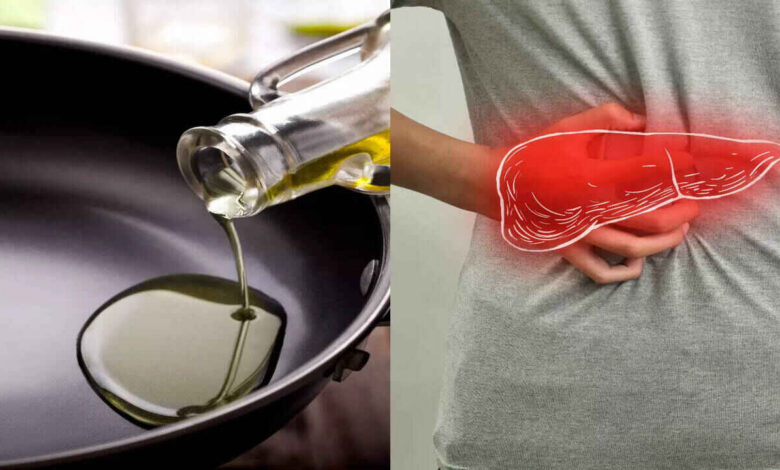
In today’s fast changing lifestyle, health concerns linked to cholesterol, diabetes and heart disease are rising at an alarming rate. Reports suggest that a significant portion of the population is already dealing with lipid imbalance without even realizing it. In this context, the oil used in everyday cooking has become a subject that deserves closer attention than ever before.
Cooking oil has always been a basic part of Indian kitchens, quietly shaping the taste and texture of daily meals. Yet, most people rarely think deeply about what kind of oil they use or how it affects long term health. Over the years, selecting a brand from the shelf and using it routinely has become a habit, without questioning its impact on the body.
However, experts now emphasize that the issue is not just about choosing the right oil, but also about how it is used. The quantity of oil added to food, the frequency of reuse, and the way it is heated repeatedly can all influence health outcomes. Continuous reliance on a single type of vegetable oil may also limit the body’s ability to receive a balanced mix of fatty acids.
Different cooking methods require different approaches. Deep frying, light sautéing, and slow cooking each place different demands on oil stability. In many households, however, a single oil is used for all types of cooking, which may not always support optimal nutrition.


One of the less visible concerns is how oil changes under heat. When oil is repeatedly heated or reused multiple times, its natural properties begin to break down. These changes are not easily noticeable but can lead to the formation of compounds that may negatively impact heart health when consumed regularly over time.
Traditionally, Indian households used different oils based on region and climate. Mustard oil was common in the north, coconut oil in the south, and groundnut oil in western regions. These choices were naturally aligned with local food habits and environmental conditions, reflecting a practical understanding of nutrition passed through generations.
In recent years, there has been a renewed interest in that traditional wisdom, now supported by modern nutritional science. Blended oils, which combine multiple oil sources, are gaining attention for their ability to offer a more balanced fatty acid profile. These oils are believed to support better lipid management when used appropriately.
Despite advancements in food science, the real change needed lies in awareness. It is not just about what oil is available, but how consciously it is chosen and used. Simple habits like avoiding excessive reuse and being mindful of cooking methods can make a meaningful difference to long term heart health.
Ultimately, health experts remind us that even the most basic kitchen ingredient can influence overall well being. Taking a moment to question whether the oil used daily truly supports health may be a small step, but it can play an important role in protecting the heart in the long run.