
Silent Health Threat Rising Among Youth: Why High Blood Pressure Is Becoming a Hidden Danger Without Early Symptoms
Experts warn that hypertension is increasingly affecting young adults due to lifestyle habits, stress, poor diet and inactivity, often developing silently without symptoms while damaging heart brain and kidneys gradually
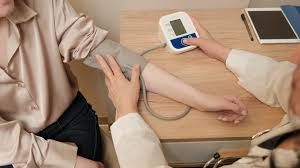
Modern lifestyles have quietly changed the way young people live and work. Long hours in front of computers, lack of physical movement, and rising dependence on desk jobs have made inactivity a daily routine for many. Health experts point out that this shift is one of the biggest reasons behind increasing health risks that often go unnoticed until they become serious.
High blood pressure, medically known as hypertension, is often called a silent killer for a reason. It rarely shows clear warning signs in the early stages, yet it slowly affects vital organs like the heart, brain, kidneys, and blood vessels. According to global health data, hundreds of millions of people live with this condition without even realizing it, which makes it even more dangerous.
Diet plays a major role in this growing health concern. Today’s fast paced food habits include processed snacks, packaged items, and fast foods that contain high levels of sodium. Excess salt intake forces the body to retain water, increasing pressure on the heart as it works harder to pump blood. At the same time, a lack of potassium rich foods like fruits and vegetables further disturbs blood pressure balance.
Stress and poor lifestyle choices add another layer to the problem. Irregular sleep patterns, long screen time late into the night, and constant mental pressure from work can disrupt hormone balance in the body. Over time, these factors do not just raise blood pressure temporarily but may turn it into a long term condition if ignored.

Many young individuals assume they are healthy because they do not feel any symptoms. However, hypertension often progresses silently. In many cases, people discover it only during a routine medical checkup or after complications begin. This delay in detection is what makes the condition particularly risky.
When symptoms do appear, they should never be ignored. Persistent morning headaches, dizziness, blurred vision, chest discomfort, breathing difficulty, sudden nosebleeds, or irregular heartbeat patterns are warning signs that require immediate attention. These signals indicate that blood pressure may already be affecting the body.
Experts strongly recommend simple lifestyle changes to prevent long term damage. Daily physical activity such as walking or exercise for at least thirty minutes helps improve circulation and heart health. Reducing salt intake, maintaining a healthy body weight, and eating a balanced diet can significantly control blood pressure levels.
Avoiding smoking and alcohol is equally important, as these habits directly increase strain on the heart and blood vessels. Proper sleep of at least seven hours each night helps restore hormonal balance and reduces stress related spikes in blood pressure. Managing mental stress through relaxation techniques can also make a big difference.
Regular health checkups are essential, especially for those with busy or stressful routines. Early monitoring helps detect changes before they turn into serious complications. Doctors emphasize that ignoring high blood pressure can lead to life threatening conditions, making timely awareness and prevention the most powerful protection.