Best AC Temperature to Reduce Electricity Bills During Summer
Many people run their AC at very low temperatures during peak summer, but energy experts say keeping it at a moderate setting can reduce electricity consumption and improve cooling efficiency significantly.
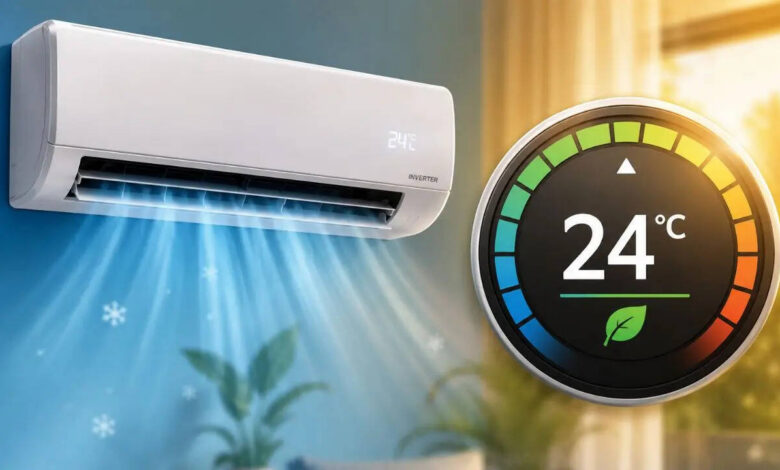
As summer temperatures continue to rise across the country, air conditioners have become essential in most homes and offices. However, many people still believe that setting the AC at 16 or 18 degrees Celsius cools the room faster and gives better comfort. Energy experts and government agencies now say this common habit may actually increase electricity bills without offering major cooling benefits.
According to recommendations from the Bureau of Energy Efficiency, keeping the AC temperature around 24 degrees Celsius is considered the ideal setting for both comfort and energy savings. Officials say this temperature is comfortable for the human body and also reduces unnecessary pressure on the air conditioner.
Experts explain that an AC compressor works at a fixed capacity. When users set the temperature extremely low, the compressor continues running for a longer time to maintain that level, which increases power consumption. While the room may feel slightly cooler, the difference is often not significant enough to justify the higher electricity usage.
Government agencies have recently intensified awareness campaigns around efficient electricity use as power demand continues to rise during summer months. Reports suggest that increasing the AC temperature by just one degree Celsius can help save nearly six percent of electricity. Over an entire season, this small adjustment can reduce electricity bills by a noticeable amount.


Many commercial buildings, hotels, malls and offices are also being encouraged to maintain indoor temperatures between 23 and 25 degrees Celsius. Energy officials believe that if more households follow similar practices, overall electricity consumption across the country could drop considerably.
Cooling experts also point out that comfort does not depend only on lower temperatures. Proper air circulation inside the room plays an important role. Running a ceiling fan along with the AC can make a room feel cooler even at 24 degrees Celsius. This combination helps distribute cool air evenly and reduces the need for extreme cooling settings.
Another reason experts discourage extremely low AC temperatures is the additional strain placed on the appliance. Constant operation at very low settings can increase wear and tear on the compressor and may shorten the lifespan of the unit over time. Moderate settings not only save power but may also help the AC function more efficiently for longer periods.
With electricity costs increasing in many regions, households are now looking for practical ways to manage monthly expenses. Energy specialists say simple changes like choosing the right AC temperature, closing doors properly and reducing direct sunlight inside rooms can make a major difference in overall power consumption.
Officials believe that awareness about smart AC usage is still limited among many consumers. While most people focus on instant cooling during intense heat, experts stress that balanced cooling is healthier for the body, better for the environment and much lighter on the pocket.