Estrogen Imbalance in Women May Signal Gut and Liver Issues Experts Warn Early Care is Essential
Health experts explain that estrogen imbalance is often linked to poor gut and liver function and suggest focusing on digestion, nutrition, and detox support before considering supplements or treatments.
Hormonal imbalance among women is becoming increasingly common in modern lifestyles, and experts believe that the root cause is often deeper than it appears. Instead of being only a hormone related issue, it is frequently connected to the health of the liver and digestive system, which play a key role in processing and eliminating excess estrogen from the body.
The liver is responsible for breaking down extra estrogen and preparing it for removal from the body. When liver function slows down, estrogen may not be properly eliminated and can begin to circulate again in the system. This condition is commonly referred to as estrogen dominance, which can lead to symptoms such as mood swings, weight gain, and irregular menstrual cycles.
In many cases, women experiencing these symptoms tend to rely quickly on supplements or hormone balancing products. However, nutrition experts warn that such approaches may not be effective if the body’s internal systems are not prepared. In fact, without addressing gut and liver health first, external supplements may fail to deliver results and could sometimes worsen the imbalance.
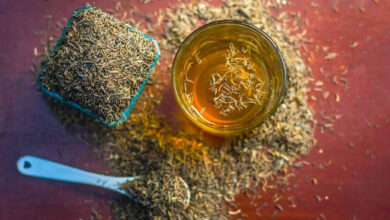
Gut health is considered the foundation for restoring hormonal balance. Experts recommend focusing on daily fiber intake of around 25 to 35 grams to support digestion. Natural foods such as bananas, fenugreek seeds, flaxseeds, and moringa leaves are often suggested as part of a balanced diet. Fermented foods like curd, traditional pickles, and homemade probiotic preparations can also help improve healthy gut bacteria and support overall digestive function.

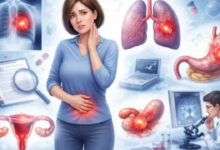
Once digestion improves, attention should shift toward supporting liver function. Nutrients like choline found in eggs and shiitake mushrooms play an important role in liver health. Sulfur rich foods such as garlic and onions assist the detoxification process, helping the body process waste more efficiently. Additionally, folate from leafy greens and pulses, along with vitamin B6 from sunflower seeds, contributes to better hormonal regulation.
Another important step is preventing the reabsorption of processed estrogen back into the bloodstream. Certain fruits like apples and oranges contain compounds such as glucaric acid, which help reduce harmful enzyme activity in the gut and support proper elimination of waste. Constipation can worsen hormonal imbalance by preventing the proper removal of toxins, making regular digestion essential for recovery.
Only after these foundational steps are addressed do experts suggest considering supplements like DIM. This compound, derived from cruciferous vegetables such as broccoli, cauliflower, and Brussels sprouts, helps the body metabolize estrogen more effectively. However, taking it without correcting gut and liver health may lead to unwanted side effects or worsen existing symptoms.
In some cases, under professional guidance, DIM supplementation may be taken in controlled amounts along with dietary fats to improve absorption. If symptoms persist despite lifestyle changes, medical testing may be required to identify where estrogen metabolism is being disrupted.
Health specialists emphasize that most women may not need advanced interventions if they first focus on improving digestion and liver function. A strong internal system often helps restore natural hormonal balance, reducing the need for long term dependency on supplements or external treatments.