Makhana or Peanuts Which Snack Helps Faster Weight Loss
Nutrition experts say choosing the right evening snack can significantly affect weight loss goals as calorie differences between peanuts and makhana may surprise many health conscious consumers today
Weight loss is no longer just about intense gym sessions or strict dieting. Nutritionists now say the small food choices people make during hunger cravings can have a major impact on fitness goals. Among the most common snack debates in health circles today is whether makhana or peanuts make the better option for losing weight.
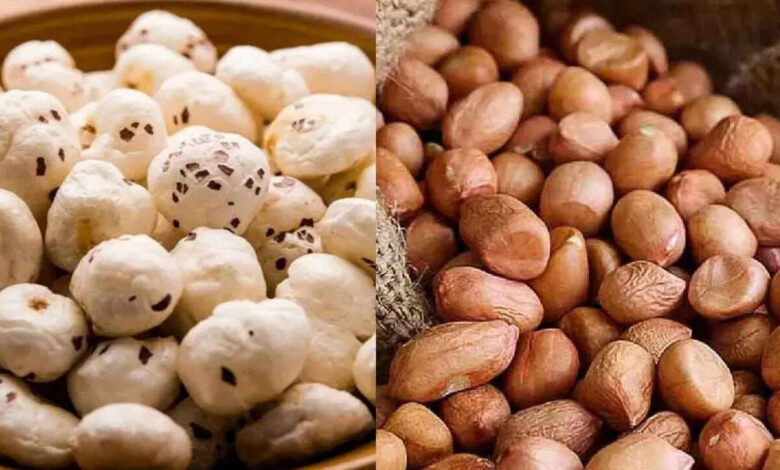
Many people prefer peanuts because they are rich in protein and fiber. A handful of peanuts can keep the stomach full for a longer time and help reduce frequent hunger cravings. According to nutritional estimates, 100 grams of peanuts contain around 567 calories along with nearly 26 grams of protein and good amounts of fiber. This high protein content makes peanuts popular among gym goers and fitness enthusiasts looking to build muscle and maintain energy levels.
However, health experts warn that peanuts also contain a much higher fat and calorie count compared to lighter snack options. For people trying to reduce calorie intake aggressively, portion control becomes extremely important. Eating too many peanuts regularly may slow down weight loss despite their nutritional benefits.
This is where makhana is gaining popularity among diet conscious consumers. Also known as fox nuts, makhana is considered a lighter snack with lower calories and decent nutrition. Experts say 100 grams of makhana contain around 347 to 356 calories, which is significantly lower than peanuts. It also provides fiber, magnesium, iron and other important nutrients that support overall health while keeping calorie intake under control.


Nutritionists explain that makhana works well for people who want filling snacks without consuming excess fat. Because of its lighter nature, it is often recommended during evening hunger cravings or as a replacement for fried junk food. Fitness coaches say makhana can help maintain satiety while supporting calorie deficit goals, which is one of the key factors in weight reduction.
Despite the calorie advantage of makhana, experts also point out that peanuts should not be completely avoided. Their protein richness and healthy fats offer important nutritional benefits when eaten in moderation. Instead of choosing one over the other, many health experts suggest combining both in balanced portions for a smarter snack option.
One simple recipe gaining attention among fitness followers includes dry roasting makhana and peanuts together without oil or butter. Fresh cucumber, tomato, pomegranate seeds, lemon juice and mild spices can then be added to create a filling snack that remains low in calories while providing protein and fiber. According to nutrition experts, this combination can satisfy hunger effectively without adding excessive calories to the daily diet.
Another healthy variation includes roasting makhana with mixed nuts and curry leaves using a small amount of ghee. This snack is often preferred by people looking for sustained energy levels during busy workdays. Experts say moderate portions can help maintain energy and may also support better cholesterol balance when included as part of a healthy lifestyle.
The comparison between makhana and peanuts ultimately depends on individual fitness goals. People focused on high protein intake may lean toward peanuts, while those aiming for strict calorie control may benefit more from makhana. Nutritionists advise consumers to focus not only on calories but also on portion size, cooking method and overall daily eating habits.