

TGSRTC Rules Out Bus Fare Hike Despite Rising Diesel Prices
TGSRTC has decided not to increase bus ticket prices for now despite rising diesel costs while continuing to absorb the growing financial pressure on the transport system.
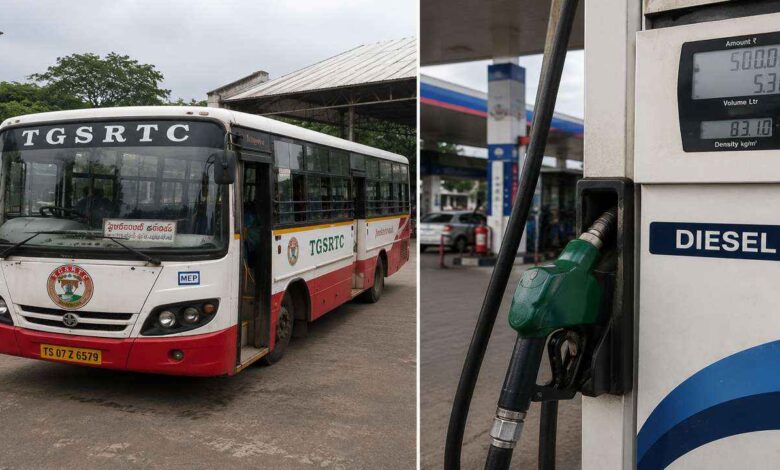
- TGSRTC rejects bus fare hike
- Diesel prices continue rising
- Passengers get relief from charges
Even as diesel prices continue to rise across the country, TGSRTC has decided not to pass the burden on to passengers. The transport corporation has clarified that there is currently no proposal to increase bus fares and that existing ticket prices will remain unchanged.
The decision comes at a time when fuel prices are witnessing repeated increases due to developments in international markets. Despite the growing operational costs, the corporation has chosen to continue services without increasing travel expenses for the public.
According to TGSRTC Managing Director Y Nagireddy, the organisation is focusing on protecting passengers from additional financial pressure. Officials said buses will continue operating with the current fare structure and there are no immediate plans for revisions.
The impact of increasing diesel rates, however, is creating a major challenge for the corporation’s finances. Internal estimates show that even a one rupee increase in diesel prices results in an additional burden of nearly Rs 1.28 crore every month.


With diesel prices reportedly increasing by around Rs 6 per litre during recent market fluctuations, the financial impact on TGSRTC has become substantial. The corporation currently operates around 10,130 buses and consumes nearly six lakh litres of diesel every day.
Based on present consumption levels, TGSRTC requires approximately 1.80 crore litres of diesel every month. The current rise in fuel costs is adding nearly Rs 36 lakh in daily expenditure and pushing the additional monthly burden beyond Rs 10 crore.
Officials indicated that if fuel usage touches peak levels of around two crore litres in a month, the additional financial pressure could climb close to Rs 12 crore. Despite these challenges, the corporation has decided to bear the extra expense itself in an effort to support middle class and common passengers.
While authorities have ruled out any immediate changes, they stated that future decisions could depend on global fuel trends and market stability. For now, the move is expected to provide relief for thousands of daily commuters across Telangana.


