UPI Payments Under Review as Charges Debate Grows! Free Era May End Soon
Rising operating costs and shrinking government incentives have pushed fintech firms to seek policy changes, raising questions over whether UPI payments could soon attract merchant charges or limited user fees.
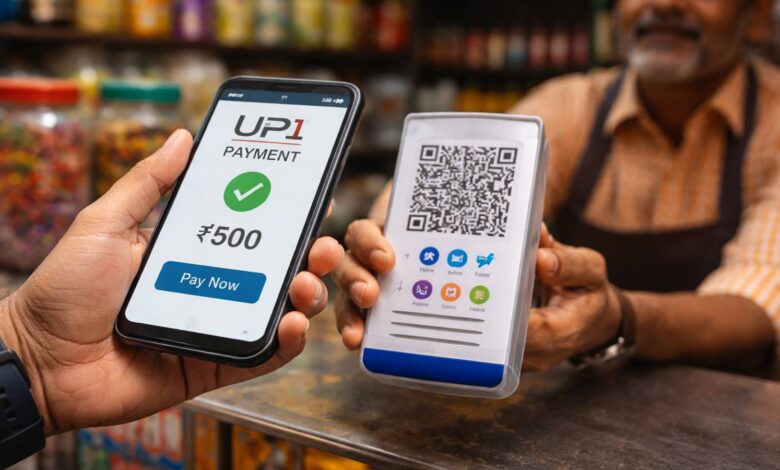
Image: Ai Generated
- UPI Payments future charges discussion
- Fintech firms face rising costs
- Charges may apply to big merchants
Digital payments through UPI have become part of daily life across India, from roadside vendors to large retail outlets. Users currently enjoy seamless transactions without paying any fee, which helped UPI grow rapidly nationwide.
Behind this convenience, fintech companies say the system is becoming expensive to sustain. Maintaining servers, upgrading technology, preventing fraud, ensuring cybersecurity, and onboarding new users require heavy and continuous spending. According to industry voices, these costs run into thousands of crores every year.
Until recently, government incentives helped offset part of this burden. Fintech firms received substantial support earlier, but allocations have steadily reduced in recent budgets. Companies argue that the current level of assistance is no longer enough to keep the model financially viable in the long run.
Major UPI platforms have warned that without a stable revenue mechanism, they may struggle to expand services, especially in rural and semi urban regions. Industry bodies have also cautioned that delays in fixing the funding model could slow innovation and affect service quality.


To address this, companies are urging the government to either restore incentives or allow a merchant discount model. Under this proposal, small traders and ordinary users would continue to enjoy free UPI services, while large businesses with high annual turnover would pay a small transaction fee.
With the upcoming budget discussions, pressure from the fintech sector is growing. This has triggered public debate on whether UPI payments will remain completely free or gradually move towards a selective charge system in the future.