Acidity Troubles Could the Real Cause Be Low Stomach Acid
Frequent burning sensation and gas may not always mean excess acid, experts say low stomach acid, stress, poor diet and lifestyle habits can also trigger persistent digestive discomfort.
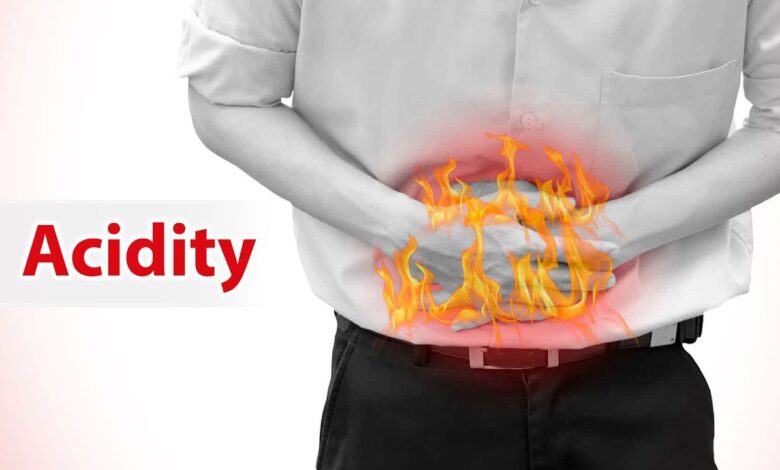
A burning sensation in the chest, sour burps and bloating after meals have become common complaints in recent years. Many people quickly blame spicy food or overeating for acidity. While those factors do play a role, health experts say the story is not always that simple.
Surprisingly, in some cases the problem may not be too much acid but too little. The stomach produces hydrochloric acid to help digest proteins and absorb essential nutrients. When this acid level drops below normal, digestion slows down. Food may remain in the stomach longer than it should, leading to gas formation and pressure. That pressure can cause symptoms such as heartburn, throat irritation and a heavy feeling in the abdomen.
Low stomach acid can develop for several reasons. Ageing naturally reduces acid production. Long term use of antacid medications can also interfere with normal acid levels. Chronic stress, poor eating habits and nutritional deficiencies such as low zinc or vitamin B12 may further weaken digestive function. When the body struggles to break down food properly, nutrient absorption may also suffer over time.
At the same time, excess acid is still a common trigger. Eating very spicy or fried foods, consuming large portions in one sitting and drinking too much tea, coffee or carbonated beverages can irritate the stomach lining. Skipping meals for long hours and then suddenly overeating puts extra strain on the digestive system. Smoking and alcohol use can weaken the stomach’s protective mechanisms, while certain medications and hormonal changes may worsen symptoms.


Doctors advise that persistent acidity should not be ignored. When discomfort continues for a long period, it can lead to ongoing stomach irritation and reduced quality of life. Identifying the underlying cause is important before relying repeatedly on over the counter remedies.
Simple lifestyle adjustments can make a noticeable difference. Eating smaller meals at regular intervals instead of heavy portions helps digestion. Reducing processed and oily foods and avoiding lying down immediately after meals are practical steps. A short walk after eating can aid the digestive process. Staying well hydrated and practicing stress management techniques such as yoga or meditation may also help regulate stomach function.
Acidity is no longer a rare issue. Many people experience it at some point, but understanding the real cause is key. Whether it is excess acid or insufficient production, timely attention and balanced habits can prevent minor discomfort from turning into a chronic digestive problem.