Can Drinking Tea in Paper Cups Cause Cancer Experts Explain the Facts
Social media claims link paper cups to cancer risk, but health agencies have not confirmed direct evidence, while researchers continue studying microplastics and chemical exposure from hot beverages.
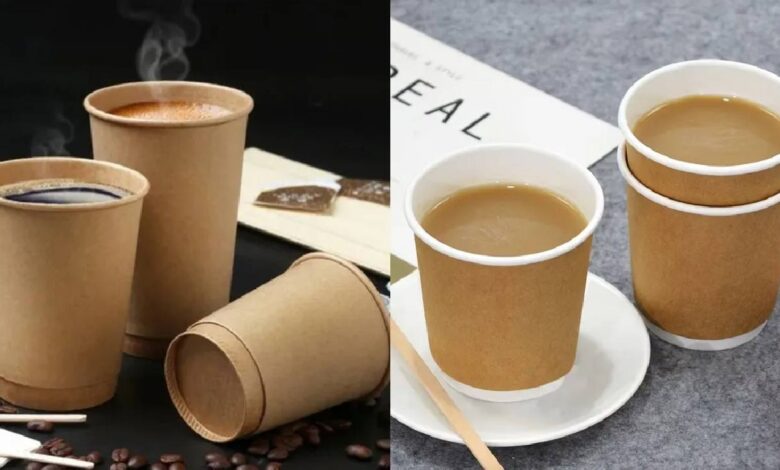
For many people, grabbing a cup of tea from a roadside stall or office pantry is part of daily life. Most of the time, that steaming drink comes in a disposable paper cup. Recently, however, social media posts have raised alarms, claiming that drinking tea in paper cups can cause cancer. The claim has left many regular tea drinkers worried.
So what does science actually say
First, it is important to understand what a paper cup really is. Despite the name, these cups are not made of paper alone. To prevent leakage, the inner surface is coated with a thin layer of plastic such as polyethylene or sometimes a bioplastic lining. When very hot liquids, often close to 90 degrees Celsius, are poured into the cup, this lining can be affected. Some studies suggest that tiny plastic particles, often referred to as microplastics, may be released into the beverage under high heat.
This has sparked concerns about long term exposure. Researchers have been studying the possible health impact of microplastics and certain chemical residues that may be present in plastic products. Substances such as BPA are often discussed in this context, though they are more commonly associated with other plastic items. Long term accumulation of certain chemicals in the body could potentially pose health risks, but the research is still evolving.


Importantly, major global health bodies such as the World Health Organization and the International Agency for Research on Cancer have not declared that drinking tea from paper cups directly causes cancer. At present, there is no confirmed scientific evidence establishing a clear cause and effect link between occasional use of paper cups and cancer.
Experts say the bigger concern lies in repeated and prolonged exposure rather than occasional use. Using disposable cups once in a while is unlikely to create immediate health problems. However, relying on them several times a day over many years may increase exposure to microplastics, the long term effects of which are still being studied.
There are also other issues beyond personal health. Low quality cups manufactured without strict quality controls may contain unwanted chemical residues. In addition, single use cups contribute significantly to environmental waste, adding another layer of concern.
Health professionals generally recommend practical caution rather than panic. If possible, carrying a personal steel, glass or ceramic cup can reduce both health uncertainties and environmental impact. Avoiding very thin or poor quality disposable cups for extremely hot beverages is also considered a sensible step.
In the end, the claim that tea in paper cups directly causes cancer is not backed by solid scientific proof at this time. However, as research into microplastics continues, making informed and balanced choices remains wise. When it comes to health, decisions should be guided by verified evidence rather than fear driven messages.