
Chicken and Mutton Liver Packed With Nutrients but Experts Warn Against Overconsumption
Nutritionists say liver offers iron vitamin A and B12 benefits but excessive intake may cause toxicity and heavy metal risks advising moderate portions once a week for safety
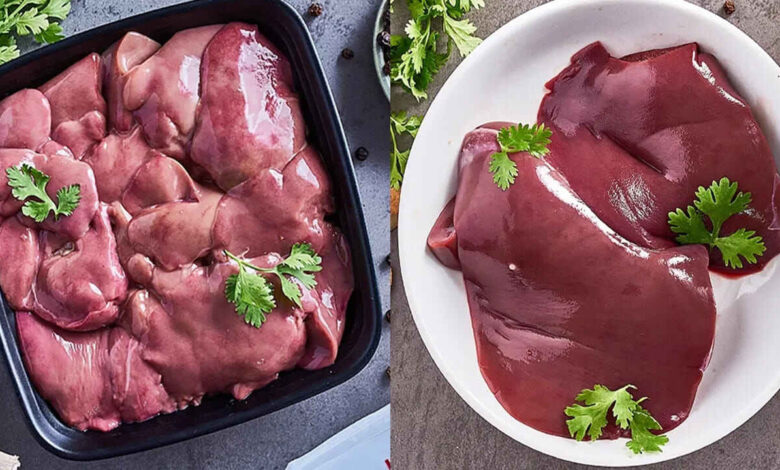
For many non vegetarian food lovers, a plate of chicken or mutton liver is considered a delicacy. Whether prepared as a spicy fry or slow cooked curry, liver dishes enjoy huge popularity, especially in regions like Telangana and Andhra Pradesh. During festive occasions such as Ramadan, demand for liver based recipes often rises sharply. But while it is widely praised for its rich taste and nutritional value, health experts caution that moderation is key.
Liver is often described as a nutrient dense food because it contains high levels of essential vitamins and minerals. It is particularly rich in vitamin A, iron, vitamin B12, folate and zinc. For individuals dealing with anemia, liver can be especially beneficial. The heme iron found in animal liver is more easily absorbed by the body compared to plant based iron, helping improve hemoglobin levels more effectively.
Another major advantage is its vitamin A content. Liver acts as a natural storehouse of this vitamin, which plays a crucial role in maintaining vision, strengthening immunity and supporting skin health. In addition, the presence of vitamin B12 and choline makes liver supportive of brain function and energy production. Many dietitians even label it a superfood because it delivers a high concentration of nutrients at a relatively low cost.
However, the same qualities that make liver nutritious can also pose risks if consumed in excess. Experts warn that just 100 grams of liver can contain several times more vitamin A than the recommended daily limit. Since vitamin A is fat soluble, it can accumulate in the body and potentially lead to toxicity. Pregnant women and young children are particularly advised to be cautious about frequent consumption.

There is another concern linked to animal liver. Because the liver functions as a detoxifying organ in animals, it may store trace amounts of heavy metals such as lead, cadmium, mercury and arsenic. Over time, excessive intake of contaminated liver could impact organs like the kidneys and bones. For this reason, choosing liver sourced from animals raised in cleaner environments is considered safer.
Nutritionists generally recommend limiting liver consumption to once a week, with portions ranging between 50 to 75 grams. Adding a few small pieces to a curry occasionally is unlikely to cause harm, but regularly consuming large standalone liver dishes may not be advisable. Those already taking vitamin A supplements or cod liver oil capsules should consult a doctor before including liver frequently in their diet.
In essence, chicken and mutton liver can indeed be a powerful addition to a balanced meal when eaten responsibly. It offers impressive health benefits, but only when portion control and sourcing are taken seriously. As with many rich foods, the line between nourishment and risk often depends on how much and how often it is consumed.
This information is intended for awareness. Individuals with existing medical conditions should seek professional medical advice before making significant dietary changes.