

Chicken or Mutton Which Meat Is Safer for People With Diabetes
Doctors say people with diabetes should choose meat carefully because cooking methods, fat content and portion size can directly affect blood sugar control and long term heart health risks.
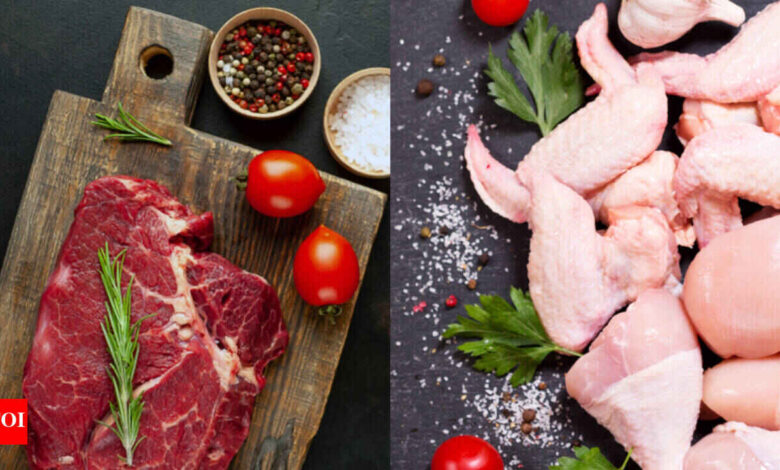
Managing diabetes is not only about avoiding sweets. Health experts say every meal plays an important role in controlling blood sugar levels, especially for people who regularly consume non vegetarian food. One common question among diabetic patients is whether chicken or mutton is the healthier option. Doctors now say the answer depends not just on the type of meat, but also on how it is prepared and consumed.
Nutrition specialists explain that protein is an important part of a diabetic diet because it helps maintain energy levels and supports muscle health. However, not all protein sources affect the body in the same way. Choosing the right meat can help keep blood sugar stable and lower the risk of heart related complications that are often linked to diabetes.
According to health experts, chicken is generally considered a safer option for people living with diabetes. It is rich in protein and usually contains less fat when compared to red meat. Chicken also has a low glycemic impact, meaning it does not cause sudden spikes in blood sugar levels. Doctors recommend skinless chicken prepared with healthy cooking methods as a better choice for regular meals.
Mutton, on the other hand, contains important nutrients such as iron, zinc and vitamin B12. While these nutrients are beneficial for the body, experts warn that mutton also carries higher amounts of saturated fat. Excess intake of saturated fat may increase insulin resistance and raise the risk of heart disease in people with type 2 diabetes. Because of this, doctors advise diabetic patients to consume mutton only occasionally and in smaller portions.


Medical professionals stress that cooking style matters as much as food selection. Meat cooked in excessive oil, butter, cream or ghee can negatively affect both blood sugar and cholesterol levels. Fried dishes and heavy gravies may turn even healthy ingredients into risky meals for diabetic patients.
Doctors recommend healthier cooking techniques such as steaming, boiling, grilling or baking. These methods help reduce unnecessary fat intake while preserving nutritional value. Adding vegetables and leafy greens to meat dishes can further improve digestion and provide fiber, which supports better sugar control.
Dieticians also encourage people with diabetes to pay attention to portion sizes. Even healthier foods can become harmful when eaten in large quantities. Balanced meals, regular exercise and consistent eating habits remain the foundation of diabetes management.
Experts say there is no need for diabetic patients to completely avoid non vegetarian food. Instead, they should focus on moderation, healthy preparation methods and smart food choices. For most people with diabetes, chicken can be included more regularly in the diet, while mutton should be treated as an occasional indulgence rather than a frequent meal.
Health professionals finally remind patients that every individual responds differently to food. Consulting a doctor or nutritionist before making major dietary changes is always the safest approach for maintaining stable blood sugar and overall wellbeing.