

Curry Leaves or Coriander Which Herb Offers Greater Health Benefits Experts Explain the Nutritional Power in Indian Kitchens
Nutrition experts say curry leaves and coriander commonly used in Indian cooking contain powerful nutrients that support digestion heart health and immunity when consumed properly and in balanced quantities.
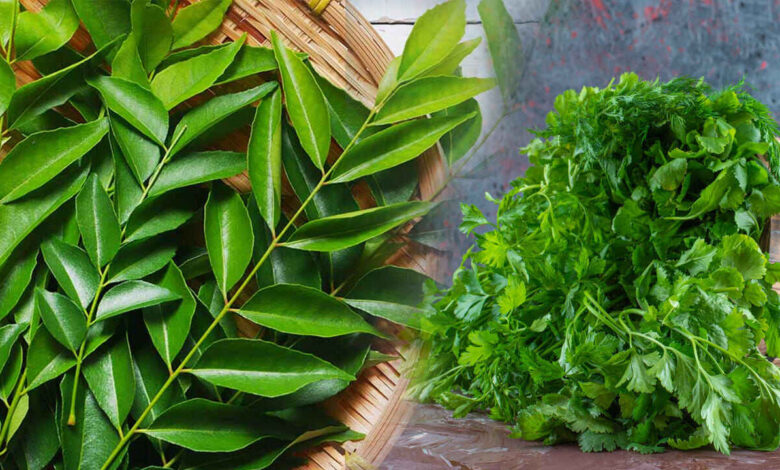
In most Indian kitchens, the aroma of freshly cooked food often comes from two familiar ingredients curry leaves and coriander. These herbs are usually added to dishes for flavor or garnish, but health experts say their nutritional value goes far beyond taste.
Recent nutrition discussions have brought attention to the remarkable health benefits hidden within these everyday herbs. While both are widely used in traditional cooking, each offers unique advantages that contribute to overall wellness.
Curry leaves are particularly valued for their rich nutritional profile. They contain iron, calcium, fiber and strong antioxidants that support several body functions. Health specialists say these leaves can help regulate blood sugar levels, making them useful for people trying to manage metabolic health.
Another benefit of curry leaves lies in their protective effect on the liver. The antioxidants present in the leaves may help shield liver cells from toxins and oxidative stress. This protective property has made them a popular ingredient in many traditional remedies.


Curry leaves are also widely known for their role in hair care. Many households use curry leaf oil as a natural remedy to slow premature greying and promote healthier hair growth. The nutrients in the leaves are believed to strengthen hair roots and improve scalp health.
Coriander, on the other hand, is known for its impressive vitamin content. It is rich in vitamin C, vitamin K and folate, all of which play important roles in maintaining immunity and supporting overall body function.
Nutritionists say coriander can help maintain healthy cholesterol levels by lowering harmful cholesterol while encouraging the presence of beneficial cholesterol in the body. Regular consumption in meals may support heart health over time.
Coriander is also recognized for aiding digestion. It can stimulate digestive enzymes and help relieve common stomach issues such as gas and bloating. Because of these qualities, it is often added to many dishes not only for taste but also to improve digestion.
Researchers have also noted coriander’s ability to assist the body in removing certain heavy metals. This detoxifying property has drawn increasing attention in nutrition studies focusing on natural ways to support body cleansing processes.
Experts say how these herbs are consumed also matters. Cooking coriander for long periods may reduce its vitamin C content, which is why many chefs recommend adding it fresh at the end of cooking or using it raw in salads and garnishes.
Curry leaves, however, release their nutrients more effectively when combined with oil during cooking. This method helps the body absorb the beneficial compounds more efficiently.
Interestingly, nutritionists point out that using both herbs together can offer additional benefits. The iron present in curry leaves is better absorbed by the body when paired with vitamin C, which coriander contains in high amounts. Consuming them together in chutneys or smoothies can therefore enhance their nutritional impact.
Despite their benefits, experts advise moderation. Excess consumption of curry leaves may sometimes cause digestive discomfort in certain individuals, especially those managing specific health conditions. Likewise, coriander should be washed thoroughly before use since it is often eaten raw.
Health specialists say these humble herbs highlight an important lesson from traditional cooking practices. Everyday ingredients that appear simple can actually provide powerful health benefits when used wisely and consistently as part of a balanced diet.