

Diabetes Friendly Diet Choices Can Diabetics Eat Chicken or Mutton Safely Without Raising Blood Sugar Levels
People with diabetes often struggle to choose between chicken and mutton as part of their diet, but understanding fat content cooking methods and portion control plays a key role in managing blood sugar effectively and maintaining long term health
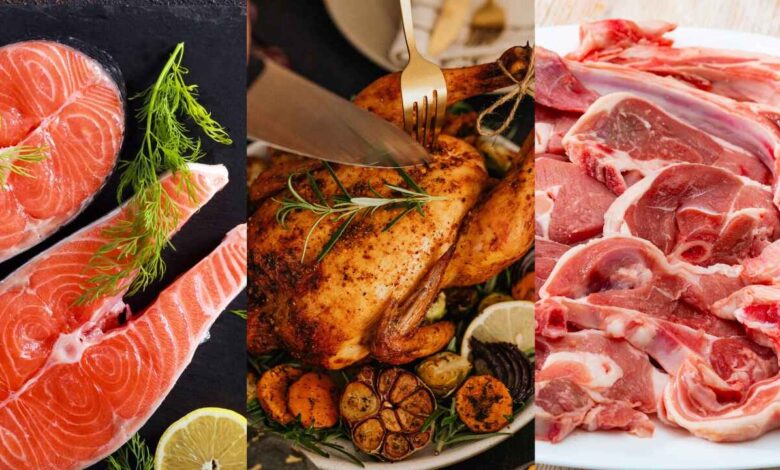
Managing diabetes is not only about medication but also about making smart food choices every single day. For those living with the condition, even small dietary decisions can influence blood sugar levels. One of the most common doubts among non vegetarian food lovers is whether chicken or mutton is a safer option for diabetes control.
The truth is that protein is an essential part of a diabetic diet, but the source and preparation method matter a lot. Both chicken and mutton offer nutrients, yet their impact on the body is quite different. Understanding this difference helps in maintaining better glucose control and overall health stability.
Mutton, also known as red meat, contains important nutrients such as iron, zinc, and vitamin B12. However, it also has a higher amount of saturated fat. This type of fat can increase insulin resistance over time, which may worsen type 2 diabetes and raise the risk of heart related issues if consumed frequently.
Because of this, mutton is not something that needs to be completely avoided, but it should definitely be limited. Eating it occasionally, such as once or twice a week in small portions, is considered a safer approach for people managing diabetes.


Chicken, on the other hand, is generally seen as a healthier and safer protein option. It is low in fat and high in protein, making it easier for the body to process without causing major spikes in blood sugar levels. It also has a low glycemic impact, which is important for diabetes management.
However, the way meat is cooked plays an equally important role as the choice of meat itself. Deep frying or cooking with excessive oil, butter, or cream can turn even a healthy ingredient into something harmful for blood sugar control.
Health experts often recommend healthier cooking methods such as steaming, grilling, baking, or boiling. These methods help retain nutrients while reducing unnecessary fat intake. Adding vegetables and leafy greens while preparing meat dishes can further improve fiber intake and help stabilize glucose levels.
Ultimately, chicken stands out as the better and more diabetes friendly option compared to mutton. While mutton can still be enjoyed occasionally, chicken can be included more regularly when prepared in a healthy way. The real key to managing diabetes lies not in completely avoiding foods, but in eating them wisely and in moderation.