Flax Seeds Small Kitchen Ingredient With Big Benefits for Heart and Cholesterol
Nutrition experts highlight that a spoon of flax seeds daily may help lower bad cholesterol support heart health control blood pressure improve digestion and assist weight and sugar management
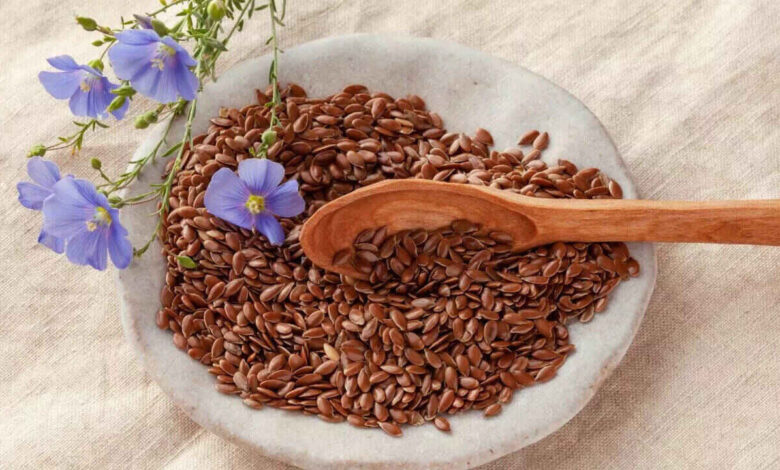
In the search for better health, many people look toward imported superfoods, often overlooking powerful ingredients already sitting in their kitchens. One such humble yet nutrient rich option is flax seeds. Though tiny in size, these seeds pack impressive health benefits, especially for the heart and overall metabolic balance.
Health specialists say that adding just one spoon of flax seeds to the daily diet can bring noticeable improvements over time. Rich in omega 3 fatty acids, particularly alpha linolenic acid, flax seeds help strengthen heart muscles and improve blood circulation. This may significantly reduce the risk of heart related complications. Their natural anti inflammatory properties further support cardiovascular health by lowering internal inflammation.
Cholesterol control is another major advantage. Several studies suggest that the soluble and insoluble fiber in flax seeds helps reduce levels of bad cholesterol in the body. By improving digestion and aiding the elimination of excess fats, these seeds contribute to a cleaner and more efficient digestive system. People who struggle with long term constipation may benefit from soaking flax seeds in water before consumption to improve bowel movement.
Blood pressure management is also linked to regular intake of flax seeds. Experts note that consistent consumption may help regulate both systolic and diastolic blood pressure levels. Including them during breakfast or dinner can gradually support healthier readings, particularly for individuals dealing with hypertension.


For those trying to lose weight, flax seeds can be a useful addition to the meal plan. Their high fiber content promotes a feeling of fullness, reducing frequent hunger pangs and preventing overeating. Many nutritionists recommend mixing flax seed powder into salads, yogurt, chapati dough or smoothies as part of a balanced weight management routine.
People living with type 2 diabetes may also find flax seeds helpful. When consumed in powdered form, they can assist in preventing sudden spikes in blood sugar levels. Combining them with protein rich foods such as yogurt or paneer may further enhance insulin sensitivity. In addition, flax seeds contain lignans, a type of antioxidant that supports immune function and overall cellular health.
To maximize nutritional absorption, experts advise lightly roasting or grinding flax seeds rather than eating them whole. This helps the body absorb their nutrients more effectively. The powder can easily be blended into everyday dishes without altering taste significantly.
While flax seeds are not a magic cure, their consistent inclusion in a balanced diet can serve as a natural shield for heart health and metabolic wellness. Sometimes, the most powerful health solutions are not exotic imports but simple ingredients already present at home.