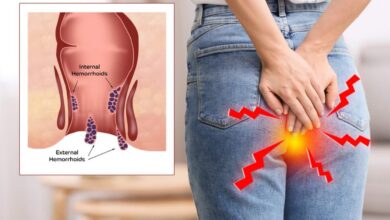

Long Hours at Your Desk Could Be Damaging Your Health Experts Call Prolonged Sitting a Silent Threat
Health specialists warn that sitting for eight to nine hours daily due to office work screens and online routines may quietly increase risks of heart disease diabetes obesity and chronic pain
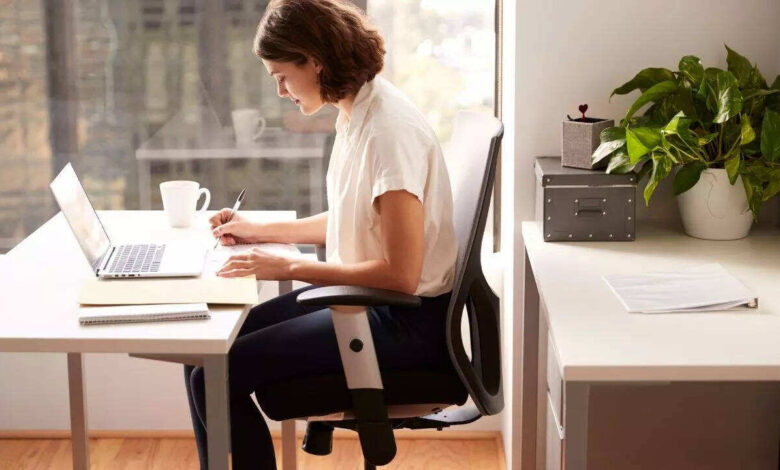
In today fast paced digital world, spending long hours seated has become routine. Office assignments, remote work, binge watching and constant mobile use mean many people remain seated for eight to nine hours or more each day. While it may seem harmless, health experts caution that this pattern can gradually harm the body in ways that often go unnoticed.
Doctors increasingly describe prolonged sitting as a silent threat. When the body remains inactive for extended periods, natural metabolic functions begin to slow down. Over time, this lack of movement can contribute to a range of health complications that may intensify with age.
One of the most immediate effects is strain on the back, neck and shoulders. Sitting for long stretches places constant pressure on the spine and surrounding muscles. Poor posture further aggravates the issue, potentially leading to chronic back pain, stiffness and even disc related problems. Many working professionals begin to notice persistent discomfort that worsens over the years.
The impact, however, is not limited to muscle and joint pain. Reduced physical movement affects blood circulation, allowing fat to accumulate more easily in the body. This increases the risk of cardiovascular disease. When circulation slows, the heart has to work harder, raising long term health concerns.


Metabolic health also suffers. Extended sitting can reduce the body ability to respond effectively to insulin, which may cause blood sugar levels to rise. Over time, this raises the likelihood of developing type 2 diabetes. Since fewer calories are burned during prolonged inactivity, weight gain and obesity become more common.
Research also links sedentary habits with mental health challenges. Limited physical activity has been associated with higher levels of stress, anxiety and low mood. Movement stimulates the release of feel good hormones, and without it, emotional wellbeing may decline.
Another lesser discussed issue is poor blood flow in the legs. Sitting in the same position for hours can lead to improper circulation, increasing the risk of varicose veins and related discomfort.
Health professionals recommend simple yet consistent lifestyle adjustments to counter these risks. Standing up or walking briefly every 20 minutes can significantly improve circulation. Maintaining proper posture with the spine upright and the computer screen at eye level reduces strain on the neck and back. Light stretching during breaks helps relax tight muscles. Choosing stairs over elevators and incorporating small bursts of activity into daily routines can also make a difference.
Experts emphasize that protecting long term health is not only about scheduled exercise sessions. Reducing total sitting time throughout the day is equally important. Small mindful changes such as moving more frequently and correcting posture can play a major role in preventing chronic health problems in the future.