

Millets Emerging as a Smart Dietary Choice for Diabetes and Overall Wellness
Low glycemic index rich fiber essential amino acids and vital minerals make millets a powerful alternative to white rice for managing blood sugar cholesterol weight and improving bone strength naturally
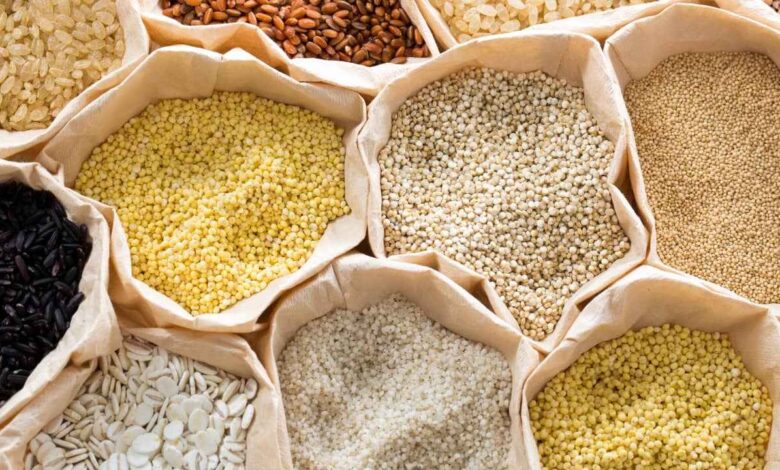
With diabetes becoming increasingly common due to changing lifestyles and processed food habits, doctors are urging people to rethink what goes on their plates. For those struggling to control blood sugar levels, one simple dietary shift may make a significant difference replacing polished rice with millets.
Health experts say millets are gaining attention not just as a traditional grain but as a practical solution for modern health concerns. Their low glycemic index of around 53 means they release glucose slowly into the bloodstream, preventing sudden spikes in sugar levels. For people living with diabetes, this steady energy release can help maintain better glucose control throughout the day.
Millets are small seeded grains that grow easily even in dry regions with limited water supply. Despite their modest appearance, they are nutritionally dense. They contain nine essential amino acids along with high levels of fiber, making them far more beneficial than many refined grains commonly consumed today.
There are several widely used varieties of millets. These include Foxtail Millet, Little Millet, Kodo Millet, Pearl Millet, Browntop Millet, Barnyard Millet, and Finger Millet. Each type offers a slightly different nutritional profile, but all share common benefits such as improved digestion and better metabolic support.


Nutritionists point out that the fiber content in millets plays a major role in reducing bad cholesterol levels. By improving lipid profiles, they contribute to heart health and lower the risk of cardiovascular complications that often accompany diabetes. At the same time, their high fiber and complex carbohydrate structure promote a feeling of fullness, which can help with weight management.
Millets are also rich in minerals like calcium, magnesium, and potassium. These nutrients support stronger bones and teeth while also aiding muscle and nerve function. For individuals dealing with joint discomfort or early bone weakness, incorporating millets into daily meals may provide additional nutritional support.
Another advantage is improved digestion. Millets help boost metabolism and reduce common digestive complaints such as bloating and indigestion. For people trying to manage obesity alongside diabetes, this metabolic boost can be particularly helpful.
In terms of usage, millets are versatile and easy to include in everyday cooking. They can be prepared as porridge, khichdi, idli, dosa, or pongal. Millet flour can also be used to make rotis, upma, or even baked snacks. Experts suggest consuming them in the morning for sustained energy and better blood sugar balance throughout the day.
From fitness enthusiasts to health conscious families, more people are rediscovering these ancient grains. What was once considered a rural staple is now being recognized as a smart and science backed dietary option.
While millets are not a cure for diabetes, they can certainly be a valuable part of a balanced meal plan. Combined with regular exercise and medical supervision, this simple grain could play an important role in supporting long term health and stable blood sugar levels.