Rising Fatty Liver Cases in India Doctors Warn of Silent Yet Serious Health Threat
Experts warn that fatty liver is rapidly increasing in India affecting adults and children alike driven by poor diet lifestyle stress and hidden metabolic risks often without early warning symptoms
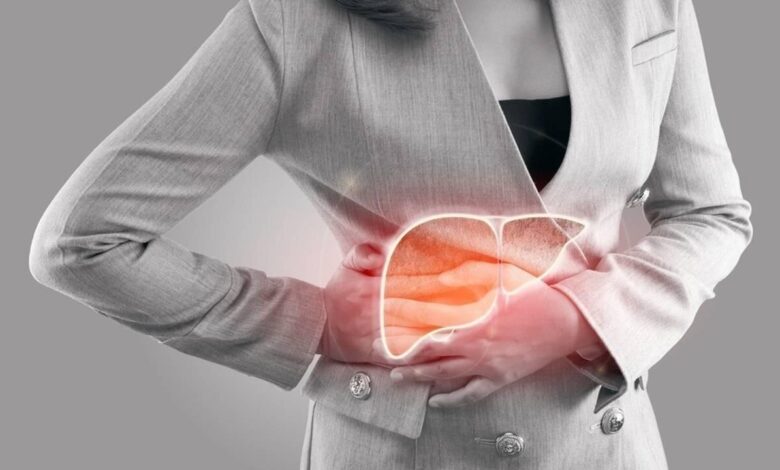
Doctors are raising concern over the sharp rise in fatty liver disease across India, calling it a silent but serious health threat that often goes unnoticed until significant damage has already occurred. Medical experts estimate that nearly 40 percent of adults and an alarming 20 to 30 percent of children in the country may be affected.
What makes the condition more worrying is that it rarely shows symptoms in its early stages. Many people continue their daily routine unaware that fat is gradually accumulating in their liver. By the time warning signs such as persistent fatigue, irritability, yellowish urine or abnormal liver function tests appear, the disease may have already progressed. In advanced stages, complications like jaundice and cirrhosis can develop.
Health specialists point out that fatty liver is not merely a liver disorder. It is closely linked to insulin resistance and can increase the risk of diabetes, obesity, heart disease and even certain lung conditions. In fact, doctors note that among patients with fatty liver, heart disease remains one of the leading causes of death. This highlights how deeply the condition is connected to overall metabolic health.
There are two primary types of fatty liver disease. One is alcoholic fatty liver, which is linked to excessive alcohol consumption. The other, more common form is non alcoholic fatty liver disease, now increasingly referred to as metabolic associated fatty liver disease or MAFLD. This form is strongly associated with metabolic problems such as obesity, high triglycerides, high blood pressure, diabetes and cardiovascular issues.

Genetics also play a role. Researchers have identified that changes in the PNPLA3 gene can increase fat buildup in the liver. This genetic variation is found more commonly in Indians, which explains why even individuals who are not visibly overweight can develop what doctors describe as lean fatty liver disease.
Lifestyle choices are a major driving force behind the growing numbers. Experts emphasize that high fructose intake is particularly harmful. While natural fructose found in whole fruits is generally safe due to the presence of fiber, concentrated sources such as fruit juices, bakery products and items containing high fructose corn syrup can strain the liver. Reused cooking oils, heavily processed foods, artificial colors and even microplastics in food packaging may further contribute to the problem.
Modern routines have only worsened the situation. Lack of sleep, sleep apnea, chronic stress and minimal physical activity all increase the likelihood of developing fatty liver. Sedentary habits combined with calorie dense diets create a metabolic environment where fat accumulation in the liver becomes more likely.
Doctors stress that prevention and early detection are critical. Regular health checkups, maintaining a balanced diet, reducing processed sugar intake and engaging in consistent physical activity can significantly lower the risk. Since the disease progresses quietly, awareness remains the first line of defense.
With fatty liver cases now far exceeding the prevalence of diabetes in India, health professionals are urging people to treat it as a serious warning sign rather than a minor issue. The liver may not complain early, but the consequences of ignoring it can be long lasting and life threatening.