Using Your Phone in the Dark May Be Damaging Your Eyes Warn Researchers
New research links low light screen usage to rising myopia cases among youth urging better lighting habits regular eye breaks and lifestyle changes to prevent long term vision damage
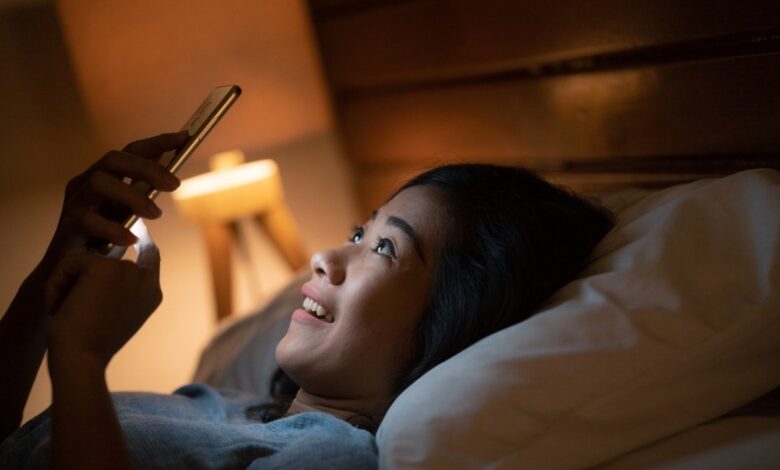
Scrolling through a phone in a dark room may seem harmless, but eye experts are now warning that this everyday habit could be quietly affecting vision, especially among young people. Fresh research suggests that using digital devices in dim light may significantly increase the risk of myopia, a condition that is already rising at an alarming rate worldwide.
Myopia, also known as nearsightedness, is a common eye disorder in which nearby objects appear clear while distant objects look blurred. For years, excessive screen time was considered the primary culprit. However, a recent study conducted by scientists at the SUNY College of Optometry and published in the journal Cell Reports indicates that the problem may not be limited to screen exposure alone. The lighting conditions in which devices are used also play a crucial role.
According to the researchers, when people read from a mobile phone, laptop or even a printed book in low light, the amount of light reaching the retina decreases. This forces the eyes to work harder, leading to strain and potentially increasing the likelihood of developing myopia. Study author Jose Manuel noted that the global surge in myopia cases cannot be ignored and emphasized that poor lighting while using digital devices is a significant contributing factor.
The numbers are striking. In the United States and parts of Europe, nearly half of young adults are affected by myopia. In several East Asian countries, the rate has climbed to nearly 90 percent among youth. Experts believe that a combination of lifestyle changes, reduced outdoor activity, poor dietary habits and prolonged indoor screen use are accelerating the trend.

What makes the situation more concerning is that untreated myopia can worsen over time, leading to more serious eye complications. Children are increasingly being diagnosed with the condition at an early age, raising concerns among parents and healthcare professionals alike.
Common symptoms of myopia include difficulty seeing distant objects clearly, frequent headaches, eye discomfort and occasional blurred vision. Many people dismiss these signs as temporary strain, delaying proper eye examinations and corrective measures.
Doctors recommend adopting simple yet effective habits to protect eye health. One widely suggested approach is the 20 20 20 rule. After every 20 minutes of screen time, look at something at least 20 feet away for 20 seconds. This practice helps relax the eye muscles and reduces strain. Ensuring proper lighting while reading or using digital devices is equally important.
Regular physical activity, especially spending time outdoors, has also been linked to better eye health. Maintaining a safe viewing distance from screens and limiting unnecessary exposure can further reduce risk.
As smartphones and laptops become inseparable parts of daily life, awareness is key. A small change such as turning on a light before checking messages at night may seem trivial, but experts say it could make a meaningful difference in protecting long term vision.