

Warning Signs Your Kidneys Are Struggling Before It’s Too Late
Doctors warn that fatigue swelling skin itching sleep disruption and urine changes may signal declining kidney function early detection and timely medical care can prevent serious complications
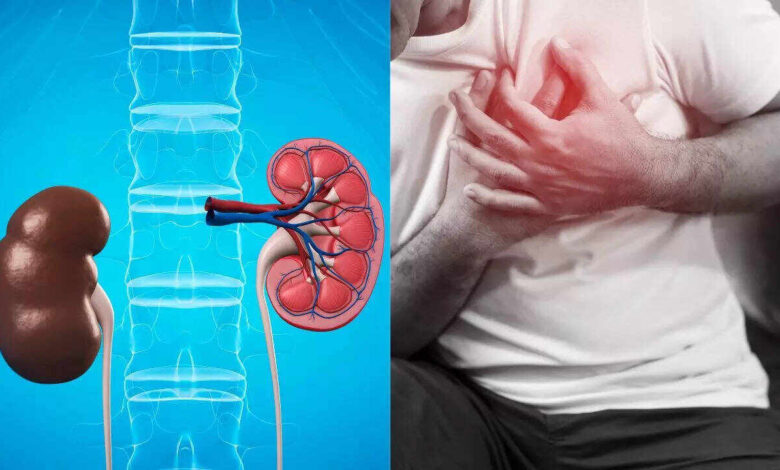
Kidneys work quietly behind the scenes, filtering waste from the blood and maintaining the body’s fluid and mineral balance. Because they perform their role silently, early damage often goes unnoticed. By the time symptoms become severe, the condition may have already progressed significantly. Health experts say paying attention to subtle physical changes can make a critical difference.
Lifestyle changes, rising cases of diabetes and high blood pressure have contributed to a steady increase in kidney related disorders. What makes kidney disease particularly dangerous is that its early stage symptoms are often mild and easily dismissed as everyday fatigue or minor health issues.
One of the first signs many patients report is persistent tiredness. Feeling weak even after a full night of sleep could indicate that waste products are building up in the blood. When kidneys fail to filter toxins efficiently, the body’s energy levels drop. Unfortunately, this symptom is frequently attributed to stress or overwork.
Changes in urination are another important warning. Dark colored urine, the presence of blood, excessive foam or bubbles may signal protein leakage. Frequent urination at night that repeatedly disrupts sleep can also be linked to reduced kidney function. Such changes should never be ignored.


Swelling in certain parts of the body is a common yet overlooked indicator. Puffiness around the eyes, especially in the morning, may suggest protein loss through urine. Similarly, swelling in the feet, ankles and toes occurs when the kidneys cannot remove excess fluid effectively. This fluid retention can gradually worsen if left untreated.
Skin related symptoms can also provide clues. Persistent dryness, severe itching or unexplained rashes may result from imbalanced minerals in the bloodstream. As kidney function declines, these imbalances begin to show externally. In some individuals, bone weakness may develop due to disrupted calcium and phosphorus regulation.
Loss of appetite and frequent muscle cramps are additional red flags. When toxins accumulate in the body, digestion and muscle function can be affected. While these symptoms may appear minor on their own, together they may indicate an underlying problem.
Medical professionals emphasize that early diagnosis greatly improves the chances of slowing or preventing further kidney damage. Routine health checkups become especially important for individuals with diabetes, hypertension or a family history of kidney disease. Simple blood and urine tests can reveal abnormalities before irreversible damage occurs.
Kidneys are among the most vital organs in the body, yet their distress signals are often subtle. Ignoring early symptoms may eventually lead to severe complications, including the need for dialysis or a transplant. Experts advise seeking medical attention promptly if any of these warning signs appear. Early awareness and timely intervention remain the strongest defense against long term kidney failure.