Why Chewing Four Neem Leaves Every Morning Is Gaining Attention
From boosting immunity to supporting blood sugar control researchers highlight powerful compounds in neem leaves and experts say consuming a small quantity daily may offer multiple traditional health benefits
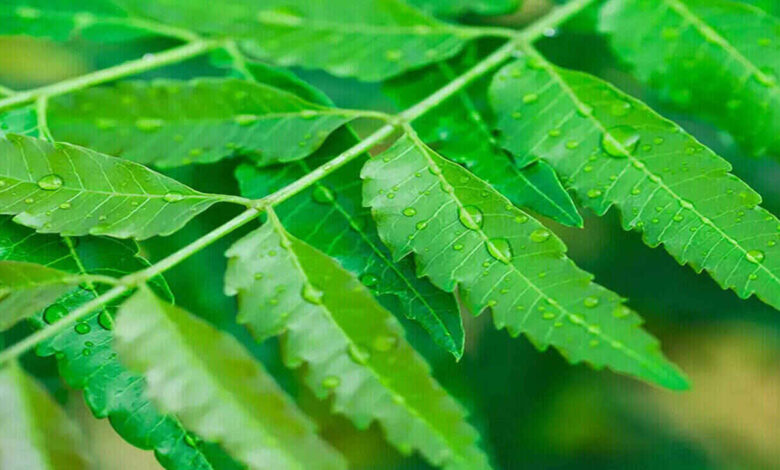
For generations, the neem tree has held a special place in Indian homes. Long before laboratories began studying its properties, families relied on its leaves, bark and oil for everyday health and hygiene needs. Now, modern research is beginning to validate what traditional practices have claimed for centuries.
Health practitioners say that chewing four tender neem leaves early in the morning or drinking neem infused water has been a long standing home remedy. Many believe this simple routine can strengthen immunity and help the body fight common infections. Neem leaves are known to contain proteins, carbohydrates and essential minerals such as calcium, potassium, magnesium and phosphorus along with strong antioxidants.
Scientific interest in neem has grown steadily over the past decade. In one study conducted in India in 2015, researchers identified a compound called nimbaflavone in neem. The compound was found to have antibacterial and antiviral properties, suggesting its potential to combat harmful microbes. Another study in Germany highlighted azadirachtin, a chemical present in neem oil, which has shown effectiveness in eliminating head lice within minutes of application.
Further research in Indonesia pointed to a compound known as nimbidin. Scientists observed that it may stimulate beta cells in the pancreas and help reduce insulin resistance, offering possible support in managing blood sugar levels. Meanwhile, researchers in the United States studied nimbolide, a bioactive substance in neem that demonstrated potential in slowing the growth of certain cancer cells by encouraging natural cell death processes.


Beyond laboratory findings, neem continues to be widely used in traditional remedies. Neem paste is often applied to itchy skin conditions, rashes and psoriasis for relief. Neem oil is used to soothe wounds and reduce skin infections. Gargling with neem infused water is believed to ease throat discomfort, while brushing teeth with neem twigs has been a rural practice for maintaining oral hygiene and controlling bacteria.
Its value is not limited to personal health. Farmers have long used neem extracts as natural pesticides to protect crops and stored grains from insects. This multipurpose role explains why the neem tree is still respected and even worshipped in many communities.
Despite its many reported benefits, experts advise moderation. Consuming a few fresh leaves in the morning may be beneficial for some, but people with existing medical conditions should consult a doctor or qualified Ayurvedic practitioner before making it a daily habit.
In a world increasingly turning back to natural wellness, neem stands out as a reminder that some of the most powerful remedies may already be growing in our backyards.