
Why Every Part of Mutton Is Considered Nutrient Rich
Experts explain how different parts of mutton offer unique nutrients why it is preferred over regular chicken and why moderation matters despite rising prices and growing demand across Indian households
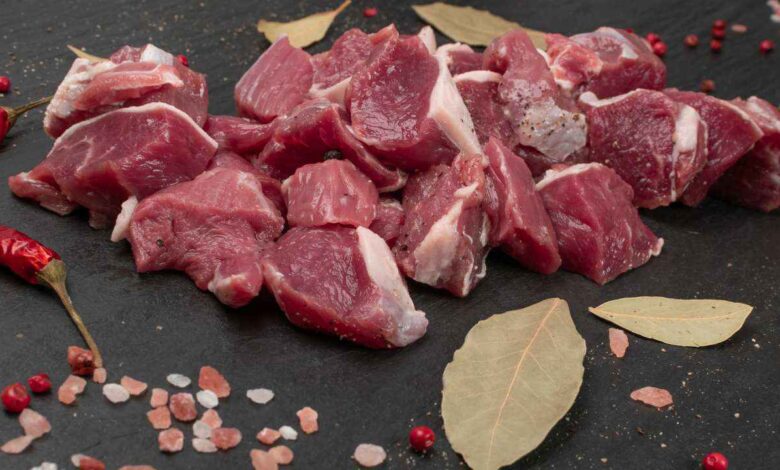
Mutton continues to hold a special place on the plates of non vegetarian food lovers despite its rising prices. While chicken is often seen as the more common option health experts increasingly suggest caution due to widespread use of antibiotics in commercial poultry. This has renewed interest in mutton which is considered richer in nutrients and closer to traditional eating habits.
Unlike chicken mutton is known for its dense nutritional profile. Doctors and nutritionists say it contains higher levels of essential vitamins minerals and healthy fats when consumed in controlled portions. This is one reason why many households prefer mutton dishes for special meals despite the higher cost.
What makes mutton stand out is that almost every part of the animal is used and valued. Each portion serves a specific purpose in traditional diets and is believed to support different aspects of health when eaten occasionally.
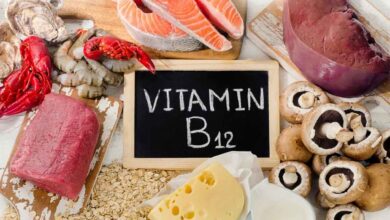
Mutton liver for instance is packed with iron and vitamin B12 making it beneficial for people dealing with low hemoglobin levels. Health experts recommend consuming it sparingly once in a month as excessive intake may increase cholesterol levels. When eaten in moderation it can support energy levels and blood health.


Goat leg soup commonly prepared by slow cooking roasted bones is another popular choice especially during illness. It is often recommended for people recovering from fractures colds or weakness. The soup is believed to strengthen bones boost immunity and improve hemoglobin levels.
The goat head is considered a leaner option compared to other red meat cuts. It contains high protein and iron with relatively low fat. Many people who avoid heavy red meat prefer this dish believing it helps improve physical strength and stamina.
Mutton intestines also known as boti are rich in fat soluble vitamins such as A D E and K along with vitamin B12. When cleaned and cooked properly they are believed to support gut health and immune function and are popular in regional cuisines.
Despite these benefits doctors warn against frequent consumption. Red meat eaten too often can lead to increased body fat and may strain the liver and kidneys. Most experts suggest limiting mutton intake to once every month or two to enjoy its benefits without health risks.
As awareness around food quality grows mutton continues to be seen as a powerful but occasional dietary choice rather than an everyday meal.