Why Hair Turns Grey Too Early Experts Explain Hidden Causes and When to Worry
Premature greying in teens and young adults is rising raising concerns about vitamin deficiencies thyroid imbalance stress and lifestyle factors though not every case signals a serious underlying disease
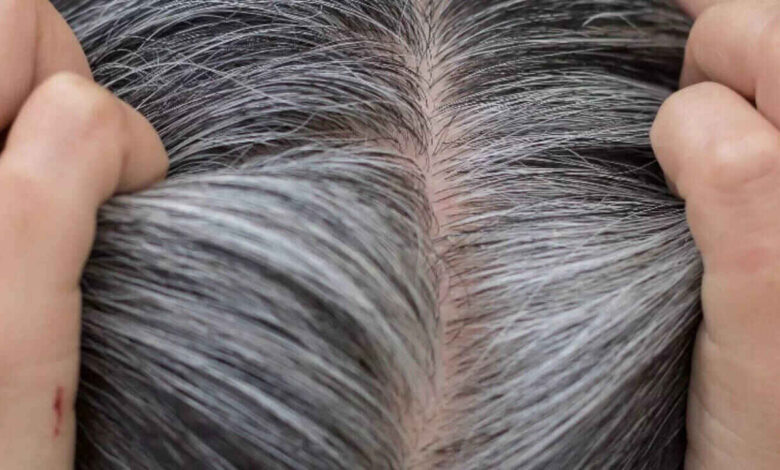
Not long ago, grey hair was seen as a quiet sign of ageing, something that arrived in the late fifties or sixties. Today, however, many young adults in their twenties and even teenagers are noticing strands of silver far earlier than expected. The sudden change often brings anxiety, with many wondering whether it signals a hidden health problem.
Doctors say premature greying is not always a warning sign of serious illness. In many cases, genetics play a decisive role. If parents experienced early greying, children are more likely to see it too. Still, medical experts caution that certain health conditions and deficiencies can accelerate the process.
Hair gets its natural color from a pigment called melanin. As people age, melanin production gradually declines. When this decline begins unusually early, it may be linked to internal imbalances. One commonly cited factor is Vitamin B12 deficiency. A 2018 study published in the International Journal of Trichology found that low levels of this vitamin are strongly associated with early greying. Vitamin B12 is essential for healthy red blood cells and nerve function, and its deficiency can also cause fatigue and weakness alongside hair changes.
Hormonal health is another important piece of the puzzle. Research indicates that thyroid hormone imbalance can directly affect hair growth and pigmentation. Conditions such as hypothyroidism have been linked to faster color loss. According to findings published in Dermatology Research and Practice, autoimmune disorders like vitiligo and alopecia areata may damage pigment producing cells, leading to premature whitening of hair.


Stress has also entered the conversation. A 2020 study in the journal Nature suggested that chronic stress increases oxidative stress in the body. This process can damage the stem cells responsible for maintaining hair color. Beyond greying, prolonged stress is also known to contribute to hair fall, compounding concerns for young individuals already distressed by appearance changes.
Lifestyle habits cannot be ignored. Doctors point to irregular sleep patterns, poor nutrition, smoking, pollution exposure and excessive use of chemical laden hair products as contributing factors that weaken overall hair health. While these elements may not directly cause greying in every case, they can speed up visible ageing of hair.
Experts emphasize that early greying alone does not automatically mean a major disease is present. However, if it appears alongside symptoms such as unusual tiredness, rapid weight loss, significant hair shedding or signs of hormonal disturbance, medical consultation is advisable. Simple blood tests can often identify deficiencies or thyroid irregularities early, allowing timely treatment.
For many young people, the emotional impact of premature greying can be just as challenging as the physical change. Specialists encourage a balanced approach focusing on nutrition stress management and regular health checkups rather than panic. In most cases, early grey strands are manageable and not a cause for alarm, but listening to the body remains essential.