Why Reusing Fried Oil After Cooking Chicken and Fish Can Become a Serious Health Risk
Repeatedly heating cooking oil after frying chicken or fish may release harmful toxins, increase heart disease risks, damage digestion, and slowly affect overall health over time significantly.
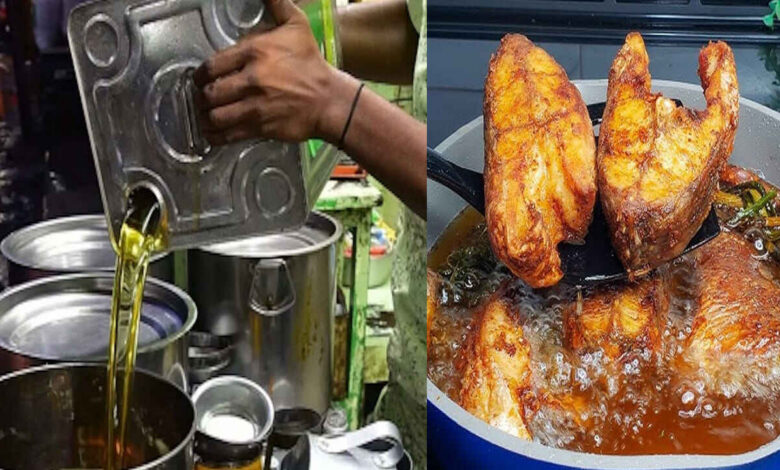
Many households try to avoid wasting cooking oil by reusing it after frying chicken, fish, or snacks. While this may seem like a smart way to save money, health experts warn that the habit can silently damage the body over time. Reheated oil is now being linked to several long term health problems, including heart disease, digestive disorders, and even cancer related risks.
Doctors explain that cooking oil changes its chemical structure every time it is heated. Once the oil reaches high temperatures repeatedly, harmful compounds begin to form inside it. These toxic substances can enter the body through food and slowly affect important organs. Experts say this problem becomes more serious when the same oil is used again and again for deep frying non vegetarian food items.
One of the biggest concerns is the formation of trans fats and free radicals. These substances can increase bad cholesterol levels in the body and put extra pressure on the heart. Over time, this may raise the chances of blocked arteries, high blood pressure, and heart attacks. Health specialists say people who regularly consume food cooked in reused oil may unknowingly expose themselves to these dangers.
Nutrition experts also point out that reheated oil can release dangerous chemicals such as acrylamide and polycyclic aromatic hydrocarbons. These compounds are considered toxic and may harm body tissues. Some studies suggest that repeated exposure to such chemicals can increase the possibility of serious illnesses, including certain types of cancer.


The problem becomes worse when frying chicken or fish because moisture and protein particles from the food mix with the oil. This speeds up oxidation and causes the oil to spoil faster. As the oil breaks down, its nutritional value decreases while harmful elements increase. Even if the oil looks normal, it may already contain unhealthy compounds invisible to the eye.
Street food stalls and fast food centers are often criticized for using the same oil for several days continuously. Experts warn that consuming food prepared in heavily reheated oil can lead to acidity, bloating, gastric irritation, and liver related issues. Many people experience stomach discomfort without realizing the cooking oil may be the actual reason.
Doctors say the safest option is to avoid reusing cooking oil completely. However, if someone has no other choice, a few precautions can reduce the damage. The oil should first be cooled and filtered properly to remove leftover food particles. It should never be heated until smoke appears, as smoking oil releases more toxic substances into the air and food.
Experts also strongly advise against mixing old oil with fresh oil. Once the oil becomes dark, foamy, sticky, or develops a strange smell, it should be thrown away immediately. These are clear signs that the oil has degraded and is no longer safe for cooking.
Health professionals believe many people ignore these risks because the effects are not immediate. Unlike food poisoning, damage from reused oil builds slowly inside the body. Over months or years, this unhealthy habit may contribute to chronic illnesses that are difficult to reverse.
With rising awareness about healthy eating, doctors encourage families to focus more on food safety than short term savings. Fresh cooking oil may cost more, but experts say it is a far better choice than risking serious health complications later in life.