
Budget 2026 Brings Price Relief on Essentials While Select Items Turn Costlier
Budget 2026 outlines price reductions on medicines energy and travel while raising costs of select commodities as the government balances reforms fiscal discipline and growth under the Viksit Bharat economic roadmap
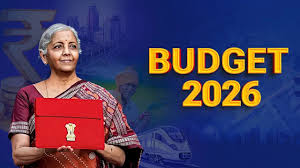
The Union Budget 2026, presented in the Lok Sabha by Finance Minister Nirmala Sitharaman, set the tone for a reform driven economic agenda under the Viksit Bharat vision. The government highlighted its focus on employment creation and long term growth, pointing to more than three hundred and fifty reforms initiated during 2025.
Alongside big picture fiscal planning, the budget brought direct impact for consumers through changes in taxes and duties. Several goods are expected to become cheaper following exemptions and rate cuts, while a few categories will see higher prices due to increased levies.
Prices of solar products and leather based goods are set to come down, offering relief to both consumers and exporters. Duties have also been reduced on batteries, beedis, and components linked to clean energy such as CNG and biogas, which could lower operating costs in multiple sectors.
Healthcare related relief stood out with reduced prices for cancer and diabetes medicines, including drugs used for treating seven serious diseases. Aviation equipment and inputs linked to fisheries exports are also expected to become more affordable, improving competitiveness for exporters.


Students and travellers will benefit as well. The government reduced tax collected at source on foreign education and medical expenses from five percent to two percent, easing the cost burden of overseas studies and treatment. Foreign travel expenses are also likely to moderate due to these changes.
On the other hand, certain items are set to become costlier. Higher levies were announced on liquor and cigarettes, along with increased duties on minerals, scrap, and forward trading activities. These measures are aimed at revenue mobilisation and regulating consumption.
From a fiscal perspective, capital expenditure has been pegged at twelve point two lakh crore rupees, while the fiscal deficit for 2026 27 is estimated at four point three percent. Tax collections are projected to rise sharply by 2027, reflecting the government’s confidence in sustained economic growth.
Overall, Budget 2026 presents a mixed price impact story, offering relief on essential goods and services while increasing costs on select commodities, as the government pushes ahead with reforms and fiscal consolidation.