

FASTag Annual Pass Price Hike from April 1 Raises Concerns for Highway Users
FASTag annual pass price increased by 2.5 percent from April 1, affecting highway commuters as revised rates and usage limits come into effect for the financial year 2026 to 2027.
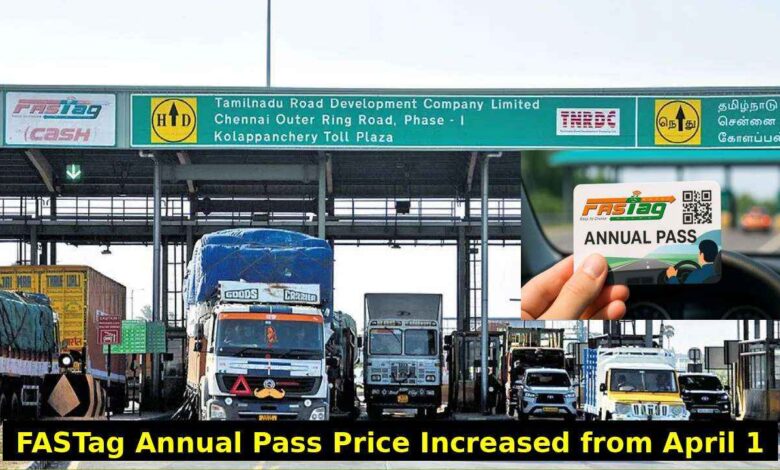
- FASTag annual pass price increased from April 1
- FASTag new rules limit pass usage to 200 trips
- FASTag price hike impacts highway commuters
Highway commuters across the country are set to face a price revision as the FASTag annual pass cost will increase from April 1, 2026. The government has announced a 2.5 percent hike, raising the price from 3000 rupees to 3075 rupees for the upcoming financial year.
The revised pass will continue to offer access for up to one year or a maximum of 200 toll crossings, whichever is reached earlier. This means that users who exhaust the 200 trip limit before completing a year will need to purchase a new pass.
Officials stated that toll charges are reviewed periodically, and the latest revision is part of the standard annual adjustment process. However, the decision has sparked concern among frequent travelers who rely heavily on highways for daily commutes.
The National Highways Authority of India has already issued directions to all toll plazas and relevant authorities to implement the updated rates from the beginning of the new financial year. Instructions have also been given to ensure that commuters are informed in advance about the changes.


The FASTag annual pass, introduced on August 15 last year, had received a positive response from vehicle owners. It was seen as a convenient option for regular highway users, helping them save time and reduce repeated toll payments.
Despite the relatively small percentage increase, many vehicle owners feel the cumulative burden of rising expenses is becoming difficult to manage. With nearly half a crore users expected to be affected, the revision is likely to have a noticeable financial impact on daily commuters.
While the pass continues to offer some relief for frequent travelers, the latest hike has left many questioning the timing and necessity of the increase so soon after its introduction.