

Industrial Diesel Price Hike Hits Economy as Rates Jump by 22 Rupees per Litre
Industrial diesel price hike raises fuel cost sharply impacting industries transport and power generation as global crude prices surge due to geopolitical tensions increasing burden on businesses and consumers alike.
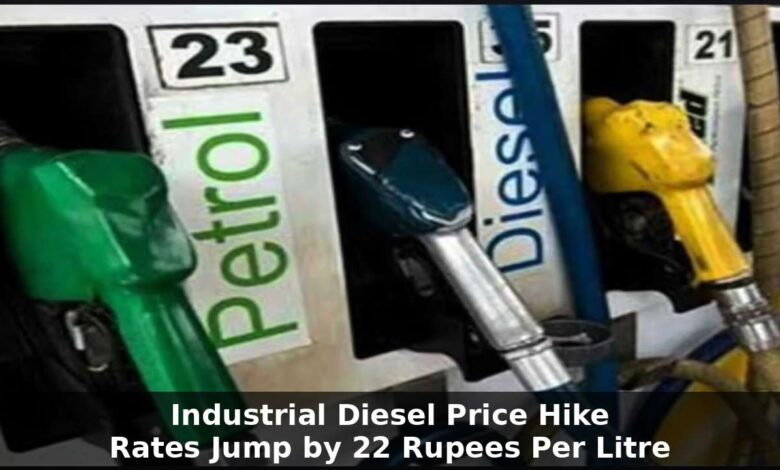
- Industrial diesel price hike increases rate by 22 rupees per litre.
- Industrial diesel price hike impacts transport industry and power costs.
- Industrial diesel price hike may lead to rise in inflation.
A sharp increase in industrial diesel prices is set to ripple across multiple sectors, with rates rising by more than 22 rupees per litre. The revised price now stands above 109 rupees, marking a significant jump from earlier levels.
The hike has been attributed to rising global crude oil prices, driven largely by geopolitical tensions. As international markets continue to fluctuate, oil marketing companies have adjusted domestic rates, affecting bulk diesel used by industries.
Industrial diesel plays a crucial role in powering factories, heavy machinery, and backup generators. It is widely used in large scale operations such as construction, infrastructure projects, data centers, and commercial buildings, especially during power outages.
With no subsidy support on this category of fuel, industries are expected to directly bear the increased costs. This is likely to push up operational expenses, particularly in manufacturing and transportation sectors.


Experts warn that the impact will not remain limited to businesses. As companies face higher fuel costs, the burden could eventually be passed on to consumers, contributing to inflation and higher prices for goods and services.
Alongside diesel, prices of premium petrol variants have also seen a minor increase. The revised fuel rates have come into effect from March 20, further adding to the overall cost pressure on the economy.
As industries adjust to the new pricing, concerns are growing about the broader economic impact, especially if global crude trends continue to remain volatile.