
Apple Surprises Industry by Updating 13-Year-Old iPhone, Setting a New Standard in Device Support
iPhone 5s and other legacy devices receive iOS 12.5.8 update ensuring key services like iMessage and FaceTime continue, highlighting Apple’s unmatched commitment to long-term software support.
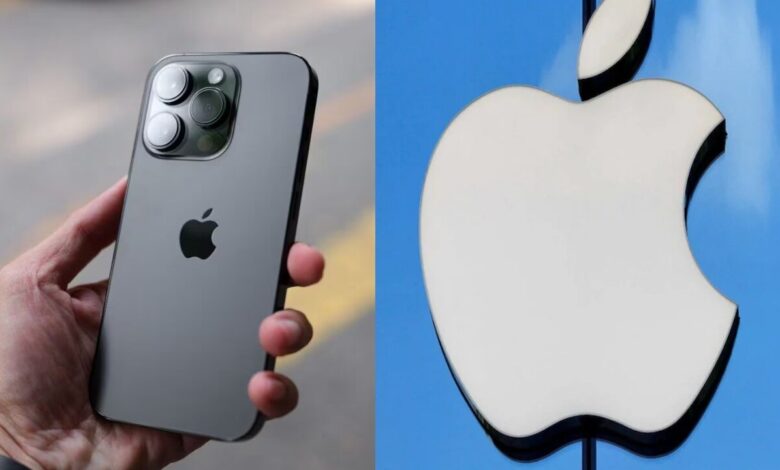
In a move that has left both users and industry experts astonished, Apple has rolled out a software update for devices over a decade old. The iOS 12.5.8 update brings new life to legacy devices, including the iPhone 5s, iPhone 6, iPhone 6 Plus, original iPad Air, iPad mini 2 and 3, and the sixth-generation iPod touch. Many of these devices were launched as far back as 2013, a time when smartphones were still evolving in form and functionality.
Unlike most smartphone makers that often end support for devices after two or three years, Apple has extended critical digital infrastructure for these aging devices. The update is not about new features or flashy improvements; it is designed to extend the validity of digital certificates that keep services like iMessage, FaceTime, and device activation functioning. Without this update, these devices could have lost access to essential services by January 2027.
Digital certificates act as the foundation for secure connections between devices and Apple’s servers. Once expired, even fully functional hardware could fail to connect to Apple services. By addressing this issue, Apple has ensured that even a 13-year-old iPhone continues to function reliably for messaging, calls, and basic operations.
This move highlights the stark contrast between Apple and other major smartphone brands. Companies like Google and Samsung have recently promised software updates for up to seven years on flagship devices, but Apple’s support for decade-old hardware remains unparalleled. Android devices from the same era, such as the Samsung Galaxy S4 or Nexus 5, now have no official support, leaving users reliant on third-party solutions or outdated software.


It is important to note that the update does not transform the iPhone 5s into a modern device. The phone still runs iOS 12, meaning many newer apps will not be compatible. However, the update ensures these devices remain functional for secondary use, such as for children, music playback, or as backup phones, effectively extending their practical lifespan by several more years.
Apple’s commitment to long-term support demonstrates an approach that goes beyond typical industry norms, giving users peace of mind that their devices will remain relevant and secure long after most smartphones have been retired. This rare dedication underscores why Apple continues to stand out in software maintenance and customer trust.