

Common Refrigerator Mistakes in Summer That Can Increase Power Bills
Small mistakes in daily refrigerator use during summer can reduce cooling efficiency, raise electricity consumption and put extra pressure on the compressor leading to higher maintenance and energy costs at home
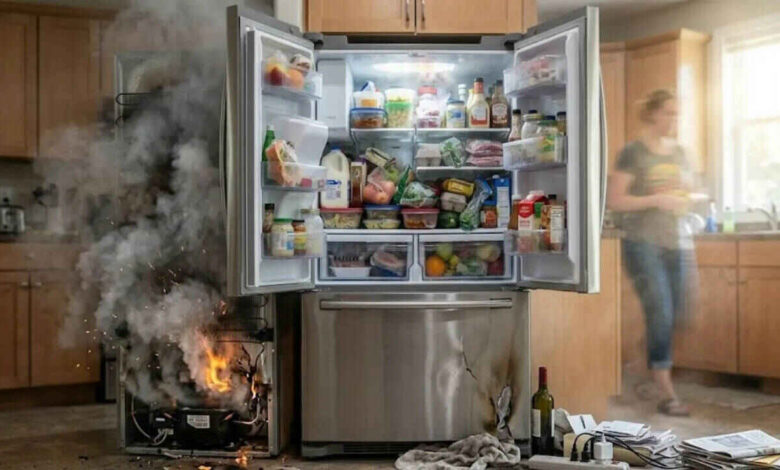
As temperatures continue to rise during summer, refrigerators become one of the most heavily used appliances in households. From storing cold water and fresh fruits to preserving cooked food, the appliance runs continuously throughout the day. However, experts say many people unknowingly make mistakes that reduce cooling performance and increase electricity bills significantly.
According to energy efficiency experts, proper refrigerator maintenance and correct temperature settings can help reduce electricity usage by nearly 15 to 25 percent. Yet in many homes, simple habits end up forcing the compressor to work harder, leading to higher power consumption and weaker cooling over time.
One of the most common mistakes is opening the refrigerator door repeatedly. During hot weather, family members often open the fridge several times for cold drinks or snacks. Every time the door stays open, cold air escapes and warm air enters. This forces the refrigerator to cool down again, consuming extra electricity in the process. Experts suggest removing all needed items at once instead of opening the door frequently.
Incorrect temperature settings also create unnecessary energy usage. Many people believe setting the refrigerator to maximum cooling during summer is the best option, but that is not always true. Maintaining the fridge section between 3 to 5 degrees Celsius and the freezer around minus 18 degrees Celsius is considered ideal for both cooling performance and energy savings.


Another major issue is placing hot food directly inside the refrigerator. This sudden rise in internal temperature forces the compressor to run continuously to restore cooling levels. Over time, this increases strain on the appliance and raises electricity consumption. Allowing food to cool naturally before refrigeration is considered a better practice.
Experts also warn against positioning the refrigerator too close to the wall. Appliances need enough space behind them for heat to escape properly. Without ventilation, the machine heats up faster and cooling efficiency drops. Keeping at least four to six inches of distance from the wall improves airflow and supports smoother functioning.
Overloading the refrigerator is another habit that affects performance. When shelves are packed tightly, cold air cannot circulate evenly inside the appliance. This results in uneven cooling and forces the system to work harder. Organising food items properly and avoiding excessive storage can improve cooling consistency.
Regular cleaning is equally important but often ignored in many households. Dust accumulation around the back coils and vents reduces efficiency and increases energy use. Cleaning these areas at least once every month can help the refrigerator operate smoothly and maintain proper cooling.
A damaged rubber gasket around the refrigerator door can also quietly increase electricity bills. If the seal becomes loose or worn out, cold air begins leaking outside even when the door appears shut. This keeps the compressor running longer than necessary. Replacing faulty gaskets on time can make a noticeable difference in cooling and energy savings.
With summer usage at its peak, experts say small changes in refrigerator habits can help households save electricity, improve appliance life and maintain better cooling without increasing monthly bills.