

Government Drops Plan to Mandate Aadhaar App on Smartphones
After strong resistance from global smartphone makers, the Indian government has stepped back from requiring preinstalled Aadhaar apps, highlighting industry concerns over security, costs, and user choice in devices
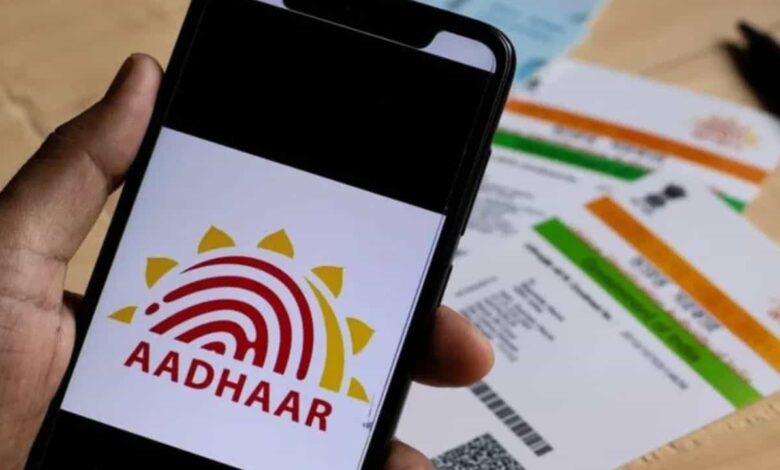
In a significant policy shift, the Indian government has decided not to proceed with a proposal that would have required smartphone manufacturers to pre install the Aadhaar application on all devices sold in the country. The move follows sustained objections from major global tech companies and industry stakeholders.
The plan, initially discussed earlier this year, involved consultations led by the Unique Identification Authority of India, which manages the Aadhaar system. The authority had approached the IT ministry to explore the feasibility of making the app a default feature on smartphones from leading brands such as Apple and Samsung.
However, after reviewing the proposal, the Ministry of Electronics and Information Technology concluded that making the Aadhaar app mandatory was not the right approach. Officials confirmed that the decision was taken after discussions with various players in the electronics ecosystem, though no specific reason was publicly detailed.
Aadhaar, a 12 digit unique identity number linked to biometric data such as fingerprints and iris scans, is widely used across India for verification in banking services, government schemes, and even faster access at airports. With over a billion users, it remains one of the largest identity systems globally.


Despite its widespread use, smartphone makers raised several concerns about preloading the app. Companies warned that such a requirement could complicate device security frameworks and create compatibility challenges across different markets. They also pointed out the potential rise in production costs, as manufacturers might need separate assembly lines for India specific models.
According to reports, this was not the first attempt to introduce mandatory pre installed government applications. Over the past two years, multiple proposals have been floated, but each faced resistance from the industry. The latest withdrawal marks the sixth such instance where the idea did not move forward.
The decision also reflects a balancing act for the government as it seeks to expand its digital ecosystem while maintaining a favorable environment for global manufacturers. India has been positioning itself as a key hub for smartphone production, and policies perceived as restrictive could impact that ambition.
Sources familiar with the matter indicated that authorities remain cautious about enforcing app pre installation unless it is considered absolutely essential. For now, users will continue to have the freedom to download the Aadhaar app voluntarily, rather than finding it preloaded on their devices.
The development underscores the ongoing debate between regulatory intentions and industry flexibility in one of the world’s fastest growing digital markets.