

Government Warns Public About Fake e PAN Download Emails Targeting Financial Data
Authorities warn that fraudulent emails claiming to offer e PAN downloads are circulating widely and may steal personal and banking details if users click suspicious links or share sensitive information online.
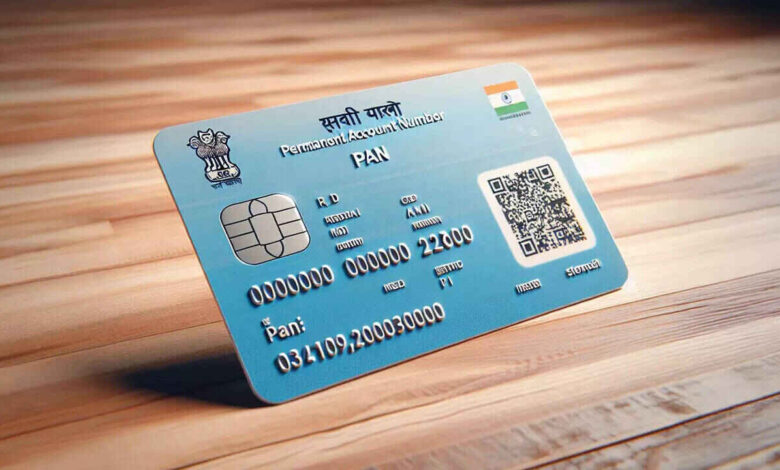
The government has issued a fresh alert to the public over a growing cyber fraud that targets individuals through fake emails related to e PAN card downloads. Officials say many people are receiving messages that appear to be official communications asking them to download their electronic PAN card using a link provided in the email.
According to authorities, these messages are not genuine and are part of a phishing campaign designed to steal personal and financial information. Cyber criminals often design these emails to resemble official government communication, making it easy for unsuspecting users to trust the message and follow the instructions.
The warning was highlighted by the Press Information Bureau Fact Check team, which clarified that the government does not send such emails asking people to download their PAN card through random links. Instead, legitimate PAN related services are available only through authorized government portals. Citizens have been advised to ignore and delete such suspicious messages immediately.
Investigators explain that the scam typically begins with an email claiming that the recipient’s e PAN card is ready for download. The message usually contains a clickable link and may even carry logos or formatting similar to official communication. Once a user clicks on the link, they are redirected to a fake website that closely imitates a government portal.


On this fraudulent page, users may be asked to enter sensitive information such as their PAN number, Aadhaar number, banking details or other personal data. If these details are submitted, cyber criminals can capture the information and potentially use it for financial fraud or identity theft.
Officials say the rapid rise of digital services has made phishing scams more sophisticated. As a result, people must remain cautious while dealing with emails related to financial documents. Messages that create urgency, such as asking users to click immediately or warning about account issues, are often signs of fraud.
Authorities also shared several ways to identify suspicious emails. Messages sent from unknown or unusual email addresses should be treated carefully. If an email asks for confidential details such as PAN numbers, Aadhaar information, OTP codes or bank credentials, it should be considered a serious warning sign. In many cases, the link included in the message may appear similar to a government website but actually leads to a fake page.
Cybersecurity experts advise people to avoid clicking on links received through unexpected emails. Personal and banking information should never be shared through email communication. If someone receives a suspicious message claiming to offer PAN related services, the safest action is to delete it immediately.
The government has also encouraged citizens to report such fraudulent emails through the national cyber crime reporting portal. Reporting scams helps authorities track cyber criminals and warn others before more people fall victim to the fraud.
Officials stress that staying alert is the best defense against online scams. As digital financial services continue to expand, users must verify the authenticity of every message related to important documents like PAN before taking any action.