How to Limit Data Sharing on Android Phones and Keep Your Information Private
Android users can reduce how much personal data is shared with Google by adjusting key privacy settings, helping improve control over activity tracking, ads, and location access
Concerns around digital privacy are growing, and many smartphone users are now taking a closer look at how their data is being collected and used. If you use an Android smartphone, there are several built in settings that allow you to control how much information is shared with Google and other services.
While data sharing plays a role in improving features like personalized recommendations, navigation, and security alerts, not everyone is comfortable with the level of tracking involved. The good news is that users can limit this exchange by making a few changes in their device settings without needing any additional apps.
One of the most important settings to review is Web and App Activity. When enabled, it keeps a record of your searches, browsing habits, app usage, and even location related activity. Turning this off prevents detailed logs from being stored in your account, offering a higher level of privacy for daily usage.
Location tracking is another area where users may want tighter control. Features like Location History and Location Accuracy rely on GPS, WiFi, and mobile networks to pinpoint your movements. While this improves navigation and location based services, disabling these options can stop your device from continuously recording where you go.


Advertising preferences also play a significant role in how your data is used. Ad personalization allows services to show targeted ads based on your interests and behavior. By switching this setting off, users can reduce how much of their activity is used to build advertising profiles.
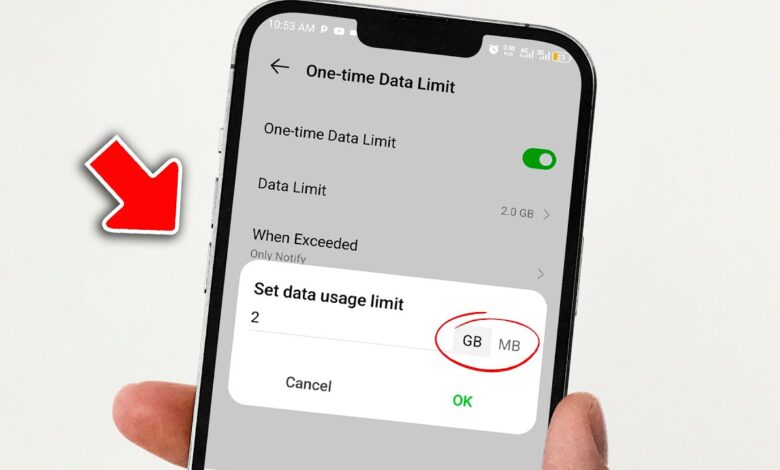
Another often overlooked feature is background data usage. Many apps continue to send and receive data even when they are not actively in use. Restricting background activity for selected apps can help minimize unnecessary data sharing and improve overall control.
YouTube history is also linked to your broader account activity. The platform tracks what you watch and search for over time. Adjusting settings to auto delete history at regular intervals can reduce long term data storage while still allowing limited personalization.
Nearby device scanning is another feature that works silently in the background. Even when WiFi or Bluetooth appears to be turned off, your phone may still scan for nearby devices to improve connectivity services. Disabling this option ensures your device is not constantly searching for signals around you.
Google also combines data across services to create a unified user profile. This helps deliver a seamless experience but increases the amount of shared information. Turning off personalized data sharing limits how services connect your activity across different apps.
For users who want complete transparency, there is also an option to review what data is already stored. By visiting your Google account dashboard, you can check activity logs, saved preferences, and other collected information, and delete anything you no longer want to keep.
It is worth noting that reducing data sharing may affect certain features. Personalized suggestions, faster search results, and smart recommendations may become less accurate. However, for users who prioritize privacy, these trade offs are often acceptable.
As digital awareness grows, taking a few minutes to review and adjust these settings can make a significant difference. With better control over your data, your smartphone becomes not just a smart device, but a more private one too.