

Rising AC Outdoor Unit Blast Cases Raise Safety Concerns During Extreme Summer Heat
Increasing temperatures and nonstop AC usage are causing more outdoor unit overheating incidents, while simple maintenance mistakes continue putting households at risk of fire, short circuit and sudden equipment damage.
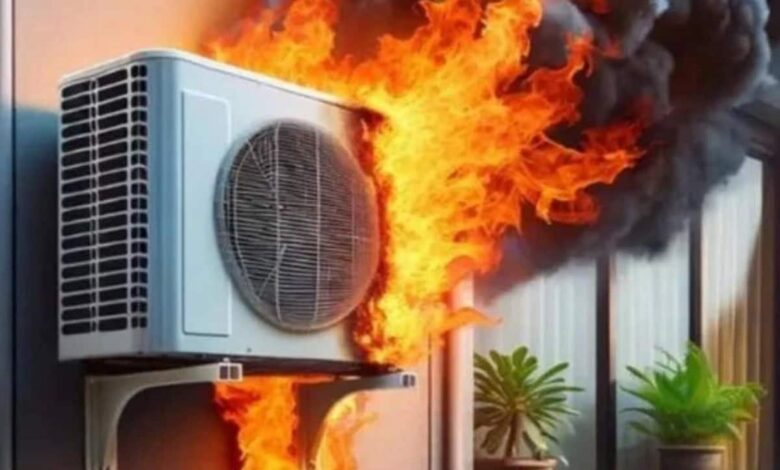
As temperatures continue to rise across the country, air conditioners have become a daily necessity in most homes. However, along with heavy AC usage, incidents involving outdoor unit overheating, fire and sudden blasts are also increasing. Several recent cases have highlighted how neglected maintenance and poor installation practices can turn an AC unit into a serious safety hazard for families.
Experts say the outdoor unit of an air conditioner works continuously to release hot air from inside the room. When airflow is blocked or the machine remains under stress for long periods, the temperature inside the unit can rise rapidly. This overheating may eventually lead to electrical failure, sparks, smoke or even explosions in extreme situations.
One of the most common mistakes people make is placing the outdoor unit in a cramped or poorly ventilated area. In many homes, the unit is installed too close to walls or surrounded by storage items that block airflow. Without proper ventilation, hot air cannot escape efficiently and the machine begins heating up faster than normal. Keeping enough open space around the unit helps maintain smooth airflow and reduces pressure on the system.
Continuous operation for several hours is another major reason behind overheating problems. During peak summer days, many households leave the AC running nonstop without giving the machine any rest. While modern air conditioners are designed for long usage, constant operation in extreme heat can still increase stress on the compressor and outdoor components. Allowing short breaks between usage cycles can help cool the system and improve its overall lifespan.


Dust accumulation also plays a significant role in outdoor unit failures. Since the unit remains exposed to open air, dirt, leaves and pollution particles often settle on the fan and cooling coils. Over time, this buildup forces the AC to work harder to maintain cooling performance. Regular cleaning with a soft brush or air blower can improve efficiency and prevent unnecessary heating. If the dirt layer becomes too heavy, professional servicing is considered the safest option.
Electrical faults remain one of the biggest causes behind AC fires and blasts. Loose wiring connections, old cables and low quality local wires can increase the risk of short circuits. Warning signs such as burning smells, sparks or frequent power trips should never be ignored. Experts recommend using proper quality wiring along with a dedicated MCB for the AC to improve electrical safety at home.
Direct sunlight can also affect the performance of an outdoor unit. If the machine remains exposed to strong heat throughout the day, its operating temperature may rise much faster. Installing the unit in a lightly shaded area can help reduce excessive heat buildup. However, technicians advise against placing it in fully enclosed spaces because restricted ventilation can create another overheating problem.
With summer temperatures breaking records in many regions, safety awareness around AC maintenance has become more important than ever. Small preventive steps taken on time can protect not just the appliance, but also homes and families from avoidable accidents during the peak cooling season.
As temperatures continue to rise across the country, air conditioners have become a daily necessity in most homes. However, along with heavy AC usage, incidents involving outdoor unit overheating, fire and sudden blasts are also increasing. Several recent cases have highlighted how neglected maintenance and poor installation practices can turn an AC unit into a serious safety hazard for families.
Experts say the outdoor unit of an air conditioner works continuously to release hot air from inside the room. When airflow is blocked or the machine remains under stress for long periods, the temperature inside the unit can rise rapidly. This overheating may eventually lead to electrical failure, sparks, smoke or even explosions in extreme situations.
One of the most common mistakes people make is placing the outdoor unit in a cramped or poorly ventilated area. In many homes, the unit is installed too close to walls or surrounded by storage items that block airflow. Without proper ventilation, hot air cannot escape efficiently and the machine begins heating up faster than normal. Keeping enough open space around the unit helps maintain smooth airflow and reduces pressure on the system.
Continuous operation for several hours is another major reason behind overheating problems. During peak summer days, many households leave the AC running nonstop without giving the machine any rest. While modern air conditioners are designed for long usage, constant operation in extreme heat can still increase stress on the compressor and outdoor components. Allowing short breaks between usage cycles can help cool the system and improve its overall lifespan.
Dust accumulation also plays a significant role in outdoor unit failures. Since the unit remains exposed to open air, dirt, leaves and pollution particles often settle on the fan and cooling coils. Over time, this buildup forces the AC to work harder to maintain cooling performance. Regular cleaning with a soft brush or air blower can improve efficiency and prevent unnecessary heating. If the dirt layer becomes too heavy, professional servicing is considered the safest option.
Electrical faults remain one of the biggest causes behind AC fires and blasts. Loose wiring connections, old cables and low quality local wires can increase the risk of short circuits. Warning signs such as burning smells, sparks or frequent power trips should never be ignored. Experts recommend using proper quality wiring along with a dedicated MCB for the AC to improve electrical safety at home.
Direct sunlight can also affect the performance of an outdoor unit. If the machine remains exposed to strong heat throughout the day, its operating temperature may rise much faster. Installing the unit in a lightly shaded area can help reduce excessive heat buildup. However, technicians advise against placing it in fully enclosed spaces because restricted ventilation can create another overheating problem.
With summer temperatures breaking records in many regions, safety awareness around AC maintenance has become more important than ever. Small preventive steps taken on time can protect not just the appliance, but also homes and families from avoidable accidents during the peak cooling season.