Smart AC Technology in 2026 Promises Lower Power Bills and Better Cooling Efficiency
Advanced smart air conditioners with AI sensors, WiFi control, and energy saving modes are helping households cut electricity costs significantly while delivering powerful cooling during extreme summer temperatures across regions
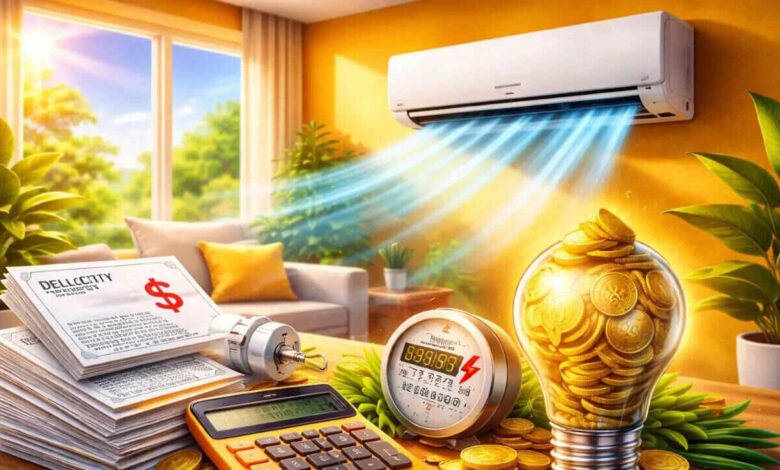
As summer temperatures continue to rise, air conditioners are no longer seen as a luxury but a necessity in modern homes. In 2026, a new generation of smart air conditioners is changing how people manage cooling and electricity consumption, offering a combination of convenience, efficiency, and long term savings.
One of the biggest advantages of these modern systems is their ability to reduce power usage without compromising on performance. Smart AC units now come equipped with AI driven sensors that automatically adjust cooling based on room occupancy and external temperature. This ensures that energy is not wasted, leading to noticeably lower electricity bills even during peak summer months.
The shift toward connected living has also played a major role. With built in WiFi and compatibility with voice assistants, users can control their AC units remotely through smartphones or platforms like Alexa and Google Home. This means rooms can be cooled before arriving home, improving comfort while also optimizing energy use.
Brands such as Panasonic, LG, Samsung, Lloyd, and Hitachi are leading this transformation with feature rich models tailored for Indian conditions. Many of these air conditioners now include convertible cooling modes, allowing users to adjust capacity depending on need, which directly contributes to energy savings.


For example, Panasonic’s latest smart split AC models integrate Matter enabled connectivity and AI based MirAie app controls, along with self cleaning outdoor units. LG’s 2026 lineup focuses on AI convertible cooling and high temperature performance, ensuring efficient operation even in extreme heat conditions. Samsung, on the other hand, is emphasizing comfort through its WindFree technology, which cools rooms gently without direct airflow while saving additional energy through AI based modes.
Air quality has also become a priority. Modern ACs now feature advanced filtration systems such as PM 2.5 and even finer filters, helping remove dust, allergens, and pollutants from indoor air. Combined with self cleaning technologies, these systems ensure healthier living environments, especially in urban areas.
Another key improvement in 2026 models is predictive maintenance. Smart diagnostics can detect faults early and notify users through mobile apps, reducing downtime and preventing costly repairs. Features like customized sleep profiles further enhance comfort by automatically adjusting temperature throughout the night.
For larger spaces, brands like Lloyd and Hitachi are offering heavy duty AC units with powerful airflow and long air throw capabilities, ensuring uniform cooling even in bigger rooms. Some premium models even include direct voice command functionality, eliminating the need for remotes or apps.
Experts suggest that choosing the right AC still depends on room size and usage patterns. A 1 ton unit is generally suitable for small rooms, while 1.5 ton and 2 ton units are better for medium and large spaces respectively. Inverter ACs remain the preferred choice for regular use due to their energy efficiency, especially when paired with higher star ratings.
While smart ACs offer numerous benefits, users are advised to maintain them properly. Regular cleaning of filters and moderate temperature settings can prevent issues like dryness, respiratory discomfort, or excessive energy consumption.
With rising electricity costs and increasingly harsh summers, smart air conditioners are emerging as a practical investment. By combining intelligent cooling, remote access, and energy efficient operation, these devices are helping households stay comfortable while keeping power bills under control.