

WHO Shares Smart AC Cooling Method to Keep Rooms Comfortable and Cut Electricity Bills
WHO recommends using air conditioners with ceiling fans at moderate temperatures to maintain better cooling, improve comfort indoors, reduce electricity usage, and help households save significantly on monthly power bills.
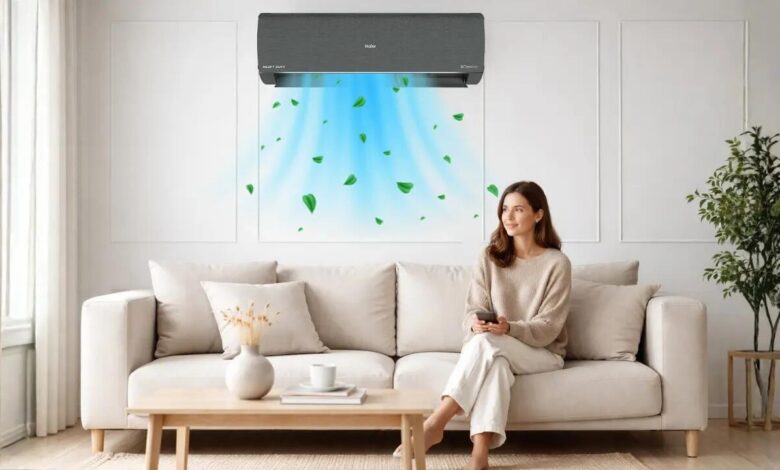
As temperatures continue to rise across many cities, the use of air conditioners in homes has increased sharply. Along with the heat, electricity bills have also become a major concern for families who rely on ACs for long hours, especially during the night. In the middle of this growing demand for cooling, the World Health Organization has shared a simple but effective way to stay comfortable while reducing power consumption significantly.
According to the guidance, people do not need to keep their AC temperature extremely low to feel cool indoors. Instead, maintaining the air conditioner between 24 and 27 degrees Celsius and using a ceiling fan alongside it can create a more balanced and comfortable cooling environment. Experts say this method helps circulate cool air more efficiently throughout the room without putting excessive pressure on the AC compressor.
Many households still believe that setting the AC at 16 or 18 degrees cools the room faster and better. However, energy experts warn that lower temperatures force the compressor to work much harder, increasing electricity consumption rapidly. This is one of the biggest reasons behind high monthly electricity bills during summer.
Health and cooling specialists now recommend a more practical approach. When a ceiling fan is used together with the AC, the cool air spreads evenly across the room and creates a stronger cooling sensation on the body. Because of this airflow, people can remain comfortable even when the AC is running at a moderate temperature instead of the lowest setting.


WHO believes this cooling combination can help reduce electricity usage by a large margin when followed correctly. Reports suggest that increasing the AC temperature by even one degree can lower electricity consumption by nearly five to six percent. This means households that regularly use 24 or 26 degree settings instead of extremely low temperatures may notice a visible reduction in monthly power costs.
The advice is becoming increasingly relevant as many urban homes now use air conditioners continuously during the summer season. Long hours of AC usage not only increase electricity expenses but can also create discomfort such as dryness, headaches, and excessive cold exposure. Using a fan together with moderate cooling can make indoor conditions feel more natural and less harsh on the body.
Experts also point out that fan usage does not increase electricity bills significantly because ceiling fans consume far less power compared to air conditioners. Instead of replacing the AC, the fan supports the cooling system by improving air circulation. This reduces the workload on the air conditioner and helps maintain stable room temperatures for longer periods.
Night time AC usage is another area where households can save energy with small changes. Specialists suggest keeping the AC temperature between 24 and 26 degrees while sleeping. Running the ceiling fan at low speed during the night helps maintain airflow and prevents the room from feeling stuffy. This combination keeps the environment comfortable without forcing the AC to operate continuously at maximum power.
Modern air conditioners also include features such as Sleep Mode, which automatically adjusts cooling levels during the night. Energy experts recommend using this setting because it gradually reduces unnecessary cooling while people are asleep, helping lower electricity consumption without affecting comfort.
The growing focus on energy efficient cooling comes at a time when electricity demand increases sharply during heatwaves. Authorities and health organizations are encouraging households to adopt smarter cooling habits instead of depending entirely on extremely low AC temperatures. Small changes in temperature settings and airflow management can create a noticeable difference in both comfort and monthly expenses.
The WHO recommendation highlights that effective cooling is not only about making rooms colder but also about maintaining balanced airflow and reducing unnecessary energy usage. By combining moderate AC temperatures with regular fan use, households can stay comfortable throughout the summer while also controlling rising electricity bills more effectively.