High Voter Turnout Marks End of Polling in Tamil Nadu and West Bengal
Voters in Tamil Nadu and West Bengal turned out in large numbers, surpassing past records, as polling concluded peacefully with strong participation across urban, rural, and remote regions
- Tamil Nadu West Bengal polling records broken with high voter turnout
- Record turnout reflects strong voter participation in assembly elections
- Tamil Nadu West Bengal elections see peaceful and enthusiastic voting
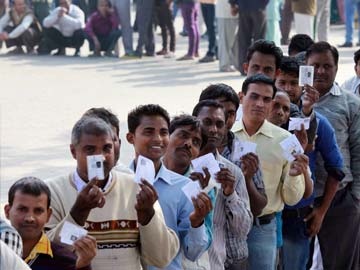
Polling for the assembly elections in Tamil Nadu and West Bengal concluded on a high note, with both states recording an impressive voter turnout that exceeded previous election figures. Enthusiasm among voters was visible throughout the day, as long queues were seen at polling stations from early morning until closing hours.
In Tamil Nadu, voting was conducted in a single phase across all 234 constituencies, while West Bengal completed the first phase covering 152 seats spread across multiple districts. Authorities allowed voters standing in queues by 6 PM to cast their ballots, ensuring maximum participation.
By 5 PM, voter turnout had already reached remarkable levels. West Bengal recorded approximately 89.93 percent polling, while Tamil Nadu stood at 82.24 percent. These figures are significantly higher than the turnout seen in the 2021 assembly elections, indicating a growing engagement of citizens in the democratic process.
Across Tamil Nadu, polling began at 7 AM, with both urban and rural voters stepping out despite the intense heat. The electoral battle in the state witnessed a multi-cornered contest involving the DMK-led Secular Progressive Alliance, the AIADMK-led NDA, Naam Tamilar Katchi, and Tamilaga Vettri Kazhagam.


In Chennai, election officials made special appeals during the final hours, urging citizens to exercise their franchise. Prominent leaders, including AIADMK candidate D Jayakumar and BJP leader Khushbu Sundar, cast their votes and encouraged public participation.
A striking example of democratic spirit emerged from Kanyakumari district, where members of the Kani tribal community traveled by boats across the Pechiparai dam to reach polling stations. Due to high water levels and lack of road access, local authorities arranged special boats equipped with life jackets to ensure safe transport for voters from remote hill regions.
Meanwhile, in West Bengal, polling in the first phase covered 152 constituencies across 16 districts, including regions like Cooch Behar, Darjeeling, Jalpaiguri, Murshidabad, Purulia, and Bankura. Voters turned out in large numbers across both northern and southern parts of the state, contributing to the high turnout percentage.
Political reactions also began to surface, with MDMK leader Vaiko expressing confidence that the DMK alliance would secure over 200 seats and form the government in Tamil Nadu.
The remaining constituencies in West Bengal will go to polls in the second phase scheduled for April 29. Counting of votes for both states will take place on May 4, when the final results are expected to shape the political future of these regions.