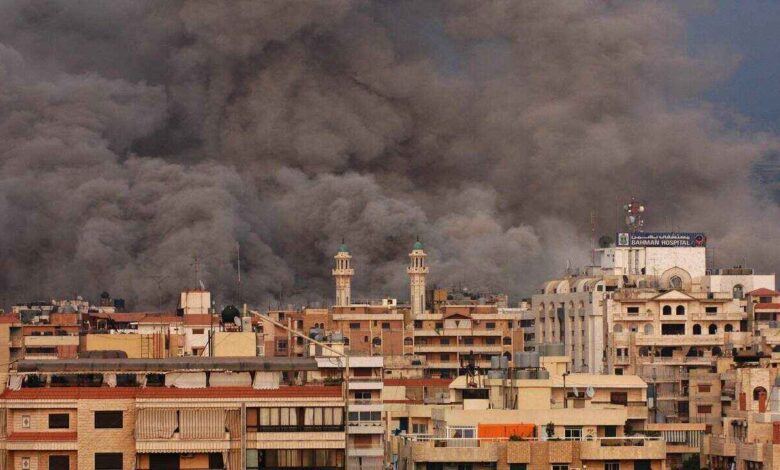
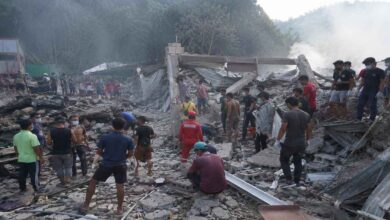
Fresh violence has erupted in the Middle East as Israel launched large scale airstrikes on Lebanon, resulting in more than 250 deaths and leaving over a thousand people injured. The attacks have significantly heightened tensions in the region and raised concerns over a broader escalation.
The strikes came just hours after a ceasefire understanding was announced between the United States and Iran, mediated with international involvement. While the agreement was seen as a step toward reducing tensions, Israel clarified that it does not apply to its ongoing conflict with Hezbollah in Lebanon.
Israeli forces reportedly targeted key locations including Beirut and the Bekaa Valley, focusing on suspected Hezbollah positions. The scale and intensity of the attacks have drawn strong international reactions, with global bodies expressing concern over civilian casualties.
The United Nations strongly condemned the developments, stating that such large scale violence so soon after ceasefire efforts is deeply alarming. Human rights officials voiced concern over the humanitarian impact and called for restraint from all sides.
In response, Hezbollah claimed responsibility for launching rockets into northern Israel, warning that retaliatory actions would continue until the attacks stop. The exchange of strikes has further deepened uncertainty over stability in the region.
The situation has also begun to influence global markets, with crude oil prices rising again after briefly falling following the ceasefire announcement. With further diplomatic talks expected soon, the coming days are seen as critical in determining whether tensions can be contained or escalate further.