Sarpanch Term Ends in Andhra Pradesh as Government Appoints Special Officers for Panchayats
Sarpanch term ends in Andhra Pradesh after five years as government appoints special officers to manage panchayats ensuring continuity of administration until fresh elections are conducted across villages
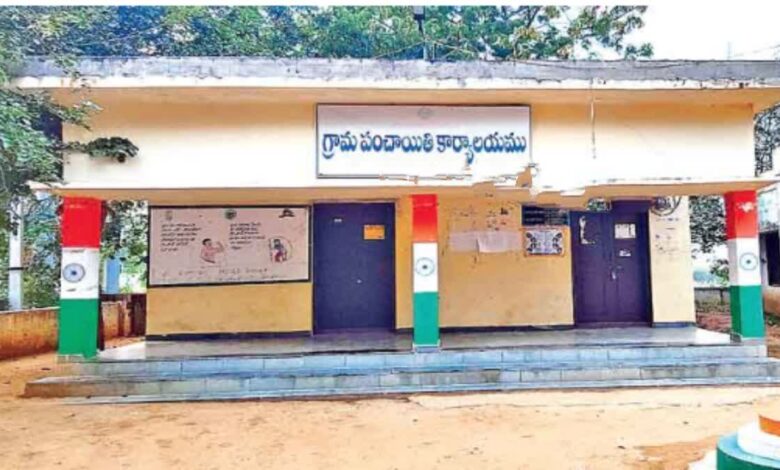
- Sarpanch term ends in Andhra Pradesh after completion of five years
- Andhra Pradesh appoints special officers for panchayats administration
- Sarpanch term end leads to temporary governance by special officers
The five year tenure of sarpanches and ward members across Andhra Pradesh officially came to an end on April 2, bringing a significant transition in village level governance. With elected representatives stepping down, the state government has moved quickly to ensure that administration in gram panchayats continues without disruption.
To manage this interim phase, the government has appointed special officers who will take charge from the next day. These officers include tahsildars, MPDOs, MEOs, and other gazetted officials who will oversee the functioning of panchayats until new elections are conducted and fresh representatives assume office.
Officials confirmed that the transfer of administrative powers has already been completed. Financial authority, including cheque signing powers and access to official records, has been handed over to the appointed officers as per government directives.
District collectors have played a key role in this transition by allocating officers to villages within their jurisdiction. The appointment process has been completed in advance to avoid any administrative gaps at the grassroots level.

The special officers will be responsible for handling essential services such as sanitation, drinking water supply, and fund management. Their role is considered crucial in maintaining stability and ensuring that routine services continue smoothly for villagers.
With the sarpanch term now concluded, attention has shifted to the timeline for upcoming panchayat elections. There is growing interest among political circles and the public regarding when the state will initiate the election process to restore elected local governance.
Until then, the temporary arrangement is expected to keep village administration functional, balancing continuity with the anticipation of a new democratic mandate.