

Iran Approves Hormuz Toll Plan for Ships Passing Through Strait
Iran parliament clears Hormuz toll plan to charge ships passing through Strait aiming to boost revenue and control security amid rising regional tensions and ongoing conflict in West Asia.
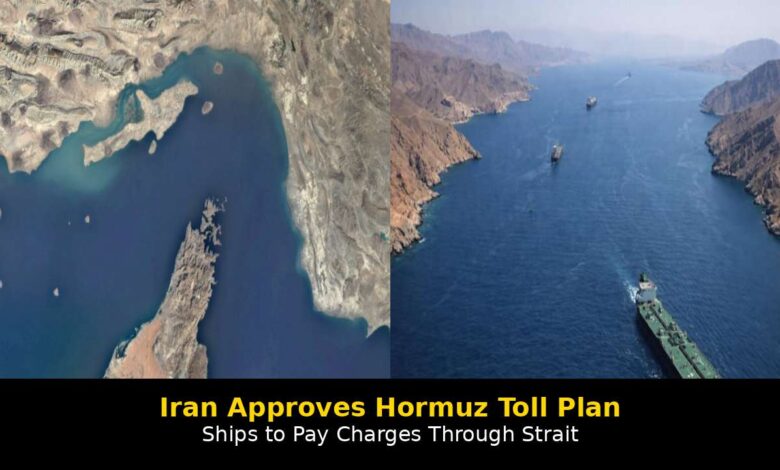
- Iran approves Hormuz toll plan for ships
- Hormuz toll to be charged in Iranian currency
- Iran strengthens control over Strait of Hormuz
Amid escalating tensions in West Asia, Iran has taken a strategic step by approving a plan to impose toll charges on ships passing through the Strait of Hormuz, one of the world’s most critical maritime routes.
The decision was cleared by the parliamentary security committee, paving the way for a structured system under which vessels using the route will be required to pay toll fees in Iran’s currency. The move is seen as an attempt to assert control over the region while generating additional revenue.
Beyond economic gains, the plan also focuses on strengthening Iran’s role in ensuring maritime security, environmental protection, and safe navigation through the strait. Authorities have indicated that these responsibilities will now fall under Iran’s direct oversight.
In a significant development, Iran has decided to restrict access to vessels from certain countries, including those it considers adversaries. Ships linked to nations imposing sanctions on Iran may also face denial of passage through the route.


The Strait of Hormuz holds immense global importance, as a major portion of the world’s crude oil supply passes through this narrow waterway. While Iran views the plan as a step toward reinforcing its sovereignty, several countries, including the United States, argue that the strait falls under international waters and cannot be subjected to unilateral toll collection.
The proposal also includes coordination with Oman to develop legal frameworks for managing the strait more effectively. Officials say the plan is designed not only to strengthen Iran’s strategic position but also to regulate activities in one of the busiest shipping lanes in the world.
With the ongoing conflict in the region entering a prolonged phase, this decision is expected to have significant geopolitical and economic implications, drawing global attention to the future of maritime operations in the Strait of Hormuz.