
Do Carrots Really Help Lower Cholesterol Levels Naturally
Experts explain whether eating carrots regularly can actually reduce bad cholesterol levels while also supporting heart digestion immunity and skin health when included wisely in a balanced daily diet routine
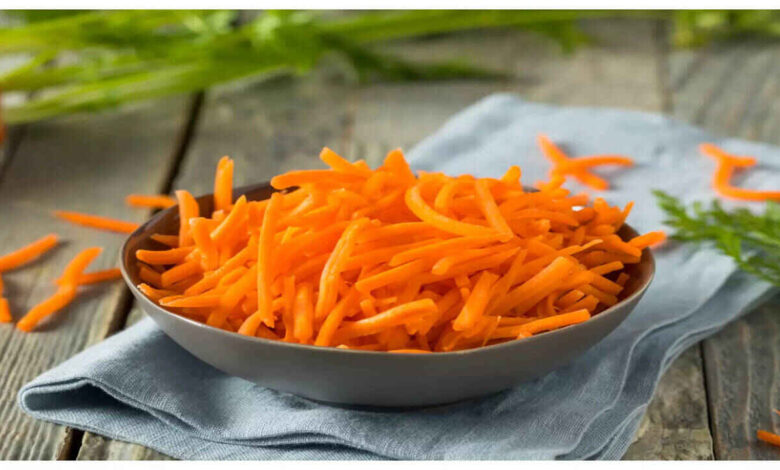
Carrots are often praised as a winter staple packed with nutrition but many people now want to know whether this everyday vegetable can actually help control rising cholesterol levels. Health experts say the answer lies in how consistently and sensibly carrots are included in meals.
Cholesterol is essential for the body but when levels rise beyond normal it increases the risk of heart related problems. Managing high cholesterol usually requires lifestyle changes and diet plays a key role. Carrots have gained attention because they are rich in fiber antioxidants and essential nutrients that support this process naturally.
One of the biggest reasons carrots are linked to cholesterol control is their fiber content. Soluble fiber helps reduce the absorption of bad cholesterol in the bloodstream and supports smoother digestion. This makes carrots a helpful addition for people struggling with constipation bloating or sluggish digestion.
Heart health is another area where carrots show promise. Potassium and antioxidants present in carrots support healthy blood pressure levels while lowering harmful cholesterol. Regular consumption may help reduce the long term risk of heart attack and stroke when combined with an active lifestyle.


Carrots are also widely known for improving eyesight due to their high beta carotene content which the body converts into vitamin A. This nutrient supports vision and helps protect the eyes from age related issues making carrots beneficial beyond cholesterol control.
Skin health and immunity also benefit from carrots. Vitamin C and antioxidants nourish the skin from within helping maintain a natural glow and reducing early signs of aging. At the same time these nutrients strengthen immunity and help the body fight common infections like colds and coughs.
Carrots are easy to include in daily meals whether eaten raw in salads added to cooked dishes or consumed as fresh juice. Experts recommend moderation since excessive intake may cause mild skin discoloration in some individuals. Overall one or two carrots a day can support better health without side effects.
While carrots alone cannot replace medical treatment they can be a smart dietary choice for those looking to manage cholesterol naturally. Consistency balanced portions and an overall healthy diet remain the key to seeing real benefits.