Russia Bans WhatsApp and Telegram in Major Digital Clampdown
Russia blocks WhatsApp and Telegram citing legal violations and data rules as President Vladimir Putin government tightens control over online platforms pushing users toward domestic apps amid privacy concerns.
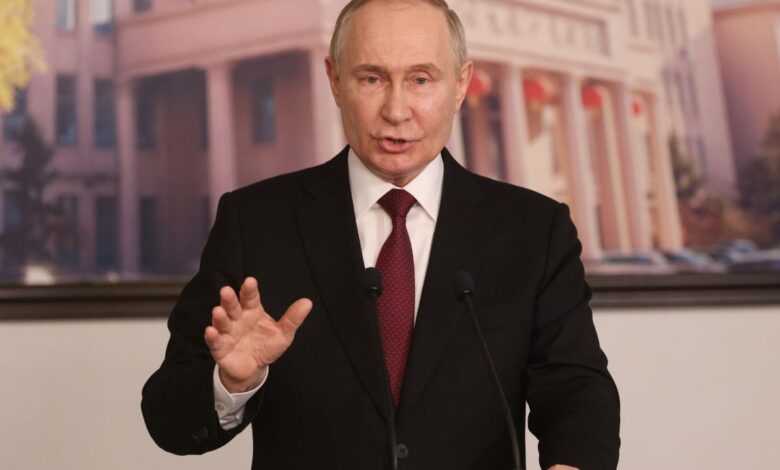
- Russia bans WhatsApp and Telegram services.
- Data localisation and content rules enforced.
- Digital control tightens amid tech criticism.
Russia has taken a decisive step in tightening its digital regulations by banning popular messaging platforms WhatsApp and Telegram across the country. The move, approved by the government under President Vladimir Putin, is part of a broader effort to enforce national laws and promote homegrown digital platforms.
Officials in Moscow said the ban was imposed after repeated warnings to global internet companies to comply with Russian regulations. Authorities had earlier directed platforms to store Russian citizens data within the country and take action against content deemed anti Russia. When these conditions were not met, the government moved ahead with blocking services.
WhatsApp, owned by Meta, strongly criticised the decision. The company alleged that the ban was aimed at forcing more than 100 million users to shift to a state monitored domestic messaging app. WhatsApp warned that such a move could seriously compromise user privacy and freedom of communication.
The Russian government maintained that platforms wishing to resume operations must strictly follow national laws. It made clear that there would be no relaxation on data localisation and content moderation rules, stressing that digital sovereignty remains a top priority.


Telegram and WhatsApp were among several foreign tech platforms that had received formal notices in recent months. Despite these warnings, officials said there was no meaningful compliance, leading to the enforcement action.
Technology firms and human rights groups have criticised the ban, calling it another step toward tighter internet control in Russia. Since the start of the Ukraine conflict in 2022, Moscow has steadily increased restrictions on foreign technology companies and online services.
As users adjust to the sudden loss of popular messaging platforms, the ban marks a significant shift in Russia digital landscape, raising fresh debates over privacy state surveillance and the future of global tech operations within the country.