Two Simple Lifestyle Changes Help Reverse Fatty Liver in Six Months Doctors Highlight Natural Recovery Path
A grade two fatty liver case showed remarkable improvement within six months through intermittent fasting and strength training offering hope for patients seeking non medicinal recovery options under medical supervision.
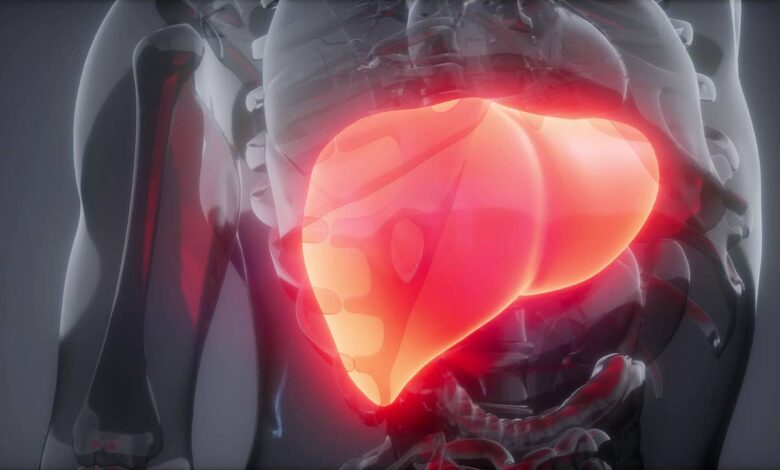
Fatty liver disease has quietly become one of the most common lifestyle related health concerns today. Often described as a silent condition, it rarely shows warning signs in the early stages. Yet if ignored, it can gradually progress to serious complications including liver cirrhosis.
In a case that is now drawing medical attention, a patient diagnosed with grade two fatty liver reportedly returned to normal liver health within six months without relying on expensive medicines or supplements. According to noted radiologist Dr Harsh Vyas, the turnaround was achieved through two consistent lifestyle adjustments rather than complex medical interventions.
The first step was structured intermittent fasting. The patient followed a 24 to 36 hour water fast once a week under supervision. When the body goes without food for an extended period, it first uses stored glycogen in the liver for energy. Once those reserves are depleted, the body begins breaking down stored triglycerides. This shift effectively pushes the system from storage mode into fat burning mode, gradually reducing fat accumulation in the liver.
Medical research supports this mechanism. Reports highlighted by Science Daily suggest that intermittent fasting may help lower liver fat levels while also improving blood glucose control and overall liver function. Experts say the metabolic reset triggered during fasting can play a key role in reducing fat deposits.


The second major change focused on physical activity, specifically strength training performed four to five days a week. Instead of relying only on light walking or yoga, the patient incorporated weight training and muscle building exercises. This proved crucial in improving insulin sensitivity.
When muscles become more active and metabolically efficient, they absorb more glucose from the bloodstream. As a result, less excess glucose remains available to be converted into fat and stored in the liver. Over time, this reduces the root cause of fatty liver by preventing new fat buildup while existing fat is gradually utilized for energy.
Doctors emphasize that fatty liver is not always irreversible, especially in its early stages. The liver has a remarkable ability to heal if given the right environment. Balanced nutrition, calorie control and consistent exercise can significantly improve outcomes. However, experts caution that fasting and intense workouts should not be started without medical advice, particularly for individuals with diabetes or other underlying conditions.
The case serves as a reminder that lifestyle diseases often demand lifestyle solutions. While medications may be necessary in advanced cases, disciplined habits can sometimes produce powerful results. For many patients, small but consistent changes may offer a realistic path toward restoring liver health naturally.