

Acid Rain in Iran Sparks Fear After Airstrikes Hit Oil Facilities Near Tehran
Reports of acid rain in Tehran emerged after airstrikes targeted oil facilities releasing toxic chemicals into the air prompting authorities to warn residents to remain indoors.
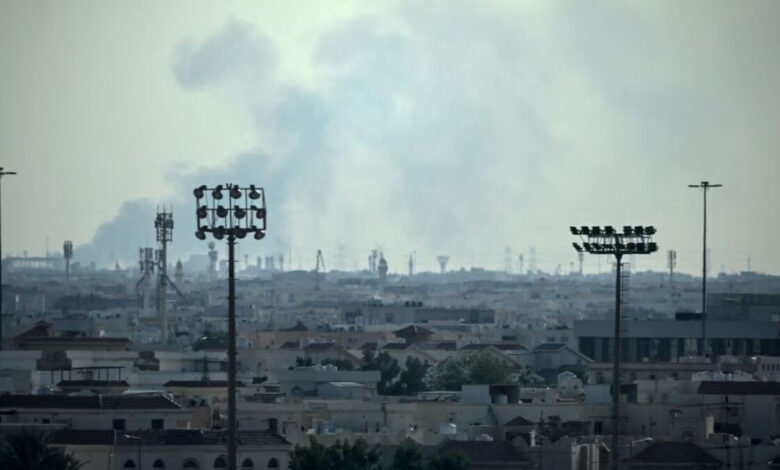
- Acid rain in Iran reported after airstrikes targeted oil facilities near Tehran.
- Tehran residents warned to stay indoors due to acid rain health risks.
- Acid rain in Iran may cause skin irritation and respiratory problems.
Residents in Iran capital Tehran have reported unusual rainfall following a series of airstrikes targeting oil facilities in the region. The incidents have raised fears of acid rain as black colored rainwater mixed with oily residue was noticed in several areas.
According to local reports airstrikes carried out on oil storage depots and refineries around Tehran released large quantities of industrial chemicals into the atmosphere. The attacks were part of the escalating conflict in West Asia and were mainly focused on major oil infrastructure.
Soon after the strikes residents observed dark clouds forming over the city followed by rainfall that left black stains and sticky residues on roads vehicles and buildings. Videos circulating online show puddles of water appearing contaminated with oil and soot.
Experts believe that chemicals such as sulfur oxides nitrogen oxides and hydrocarbons released from damaged oil facilities mixed with moisture in the atmosphere and returned to the ground as polluted rainfall. Such conditions can lead to what is commonly referred to as acid rain.


Authorities in Tehran have issued warnings asking people to remain indoors and avoid direct exposure to the rain. Health agencies cautioned that the polluted rainwater and the contaminated air could cause skin irritation eye problems and respiratory issues.
Medical experts explained that contact with polluted rainwater alone may not immediately cause severe injuries. However inhaling polluted air containing fine particles and toxic gases could lead to serious health complications.
Pollutants such as sulfur dioxide nitrogen dioxide and microscopic particles released during industrial explosions can enter deep into the lungs. This may result in coughing breathing difficulty throat irritation and asthma related problems.
Doctors also warned that prolonged exposure to contaminated air could cause headaches dizziness and other neurological symptoms. In severe cases it may lead to long term respiratory disorders especially among people living near the affected areas.
Environmental authorities continue to monitor the situation while advising residents to avoid outdoor activities until air quality improves.