Is Eating Jaggery in Summer Safe Experts Explain Benefits and Precautions
Health experts say jaggery offers several nutrients and energy benefits, but excessive consumption during hot summer months may increase body heat and cause discomfort if not eaten carefully.
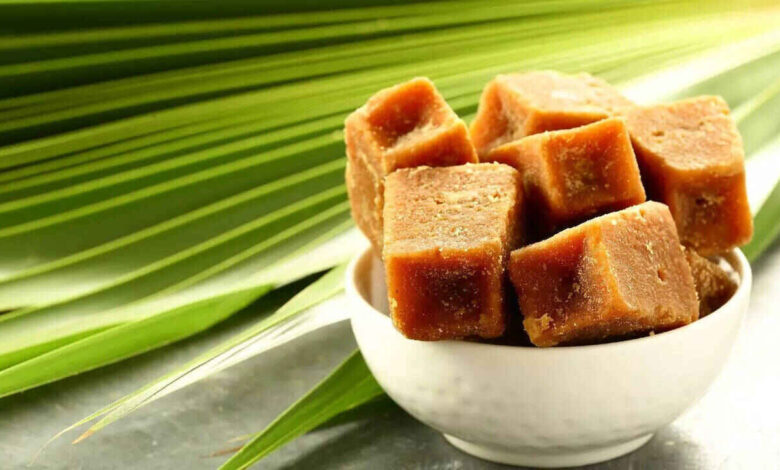
Jaggery has long been considered one of nature’s healthiest natural sweeteners. Often used as a traditional alternative to refined sugar, it is widely valued for its nutritional richness and health benefits. However, as temperatures rise during the summer season, many people begin to question whether eating jaggery in hot weather is actually good for the body or if it may cause unwanted health issues.
According to medical professionals, jaggery is packed with essential minerals and nutrients that can support overall health. It contains iron, calcium and magnesium, which are important for maintaining energy levels and supporting various body functions. Because of its natural composition, many people prefer jaggery over processed sugar in daily diets.
Health specialists say that eating a small piece of jaggery can quickly provide energy, especially when someone feels tired or weak. It is also known to support digestion when consumed in moderation after meals. In traditional diets, people often eat a small portion of jaggery after food because it may help stimulate digestive enzymes and improve the digestion process.
Jaggery is also believed to assist in cleansing the body. Some experts say it can help remove harmful toxins and support blood purification. These qualities have helped maintain its reputation as a natural health supporting food in many households.


Despite its benefits, nutrition experts caution that jaggery naturally produces heat in the body. During the summer months, when the external temperature is already high, consuming too much jaggery may increase internal body heat. This could lead to discomfort in some individuals, particularly those who are sensitive to heat related conditions.
Doctors advise that people who frequently experience acidity, nosebleeds or naturally have a body type that generates more internal heat should be especially cautious with jaggery intake during hot weather. For such individuals, limiting consumption or avoiding it during peak summer heat may be the safer choice.
Experts also recommend a balanced approach for those who still want to enjoy the benefits of jaggery in summer. Consuming small quantities, typically around five to ten grams a day, is considered safe for most people. Timing also matters, and it is generally better to eat jaggery in the morning or afternoon rather than late in the evening.
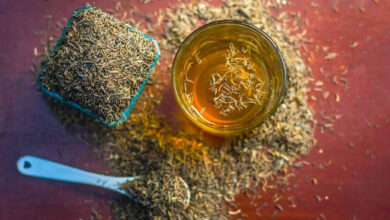
Another simple tip to reduce the warming effect of jaggery is to combine it with cooling foods. Drinking buttermilk, consuming fennel seeds or staying well hydrated with water can help balance body temperature and reduce the heat generating effects.
Health professionals emphasize that jaggery itself is not harmful during summer when eaten in moderation. Like many natural foods, its impact depends largely on the quantity consumed. When taken carefully and in limited amounts, jaggery can still be part of a healthy diet even during the hotter months of the year.