

Buying Older iPhones Could Get Expensive as Apple Revises Retail Strategy
Apple decision to withdraw backend incentives for offline retailers may push up prices of older iPhone models in India by around five thousand rupees impacting buyers in mid premium segment
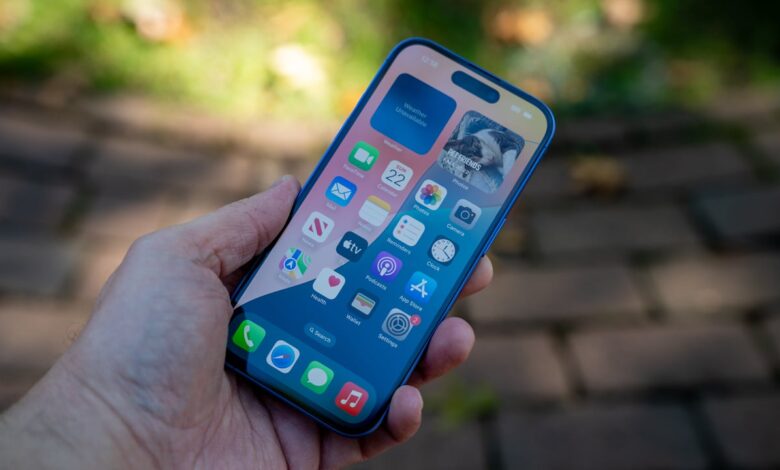
Buying an older iPhone in India could soon become more expensive, with reports संकेत that prices may rise by up to five thousand rupees across popular models. The change follows a key decision by Apple to discontinue a retail support program that had quietly helped keep effective prices lower for customers.
The move is expected to directly impact devices such as iPhone 15 and iPhone 16, which have remained strong sellers even after newer launches. While the official price tags may not change, the withdrawal of backend incentives means buyers will likely lose access to the attractive cashback and in store discounts that made these models more affordable.
Industry insiders say this support system, often referred to as demand generation support, allowed retailers to offer deals without altering the listed price. It acted as a buffer, ensuring steady demand for slightly older devices in a highly competitive market. With that cushion now removed, retailers are expected to pass on the difference to consumers.
The decision comes shortly after the company had already scaled back cashback offers significantly, reducing them from earlier high values to minimal benefits. That earlier step had already tightened pricing flexibility, and the latest move adds further pressure on affordability, especially in the mid premium segment where older iPhones usually attract price conscious buyers.


Retailers indicate that the transition could take effect almost immediately. Some suggest that buyers looking for discounted prices may have only a short window left before the revised pricing becomes standard across stores. For many customers who typically wait for price drops after new launches, this shift could be disappointing.
Despite the expected increase, demand for older iPhones in India is unlikely to collapse. A large section of buyers relies on easy monthly installment options, which reduces the immediate impact of higher upfront costs. This trend has historically helped maintain steady sales even during price fluctuations.
The broader smartphone market is also witnessing similar pricing pressures. Brands such as Samsung, Xiaomi, Realme, Oppo, Vivo and Motorola have also been adjusting prices in recent months, largely due to rising component costs and global supply challenges.
Market analysts believe that increasing costs of memory and storage components, along with currency fluctuations, are forcing manufacturers to rethink pricing strategies. Instead of chasing aggressive sales volumes, many companies are now focusing on maintaining margins and sustainable growth.
As the industry navigates these changes, consumers may need to recalibrate expectations around smartphone pricing. For now, those planning to purchase an older iPhone might want to act quickly before the price advantage disappears from retail shelves.