Skilled Trades Gain Spotlight as AI Raises Concerns Over Stability of Office Jobs
A viral repair bill from Gurugram fuels debate about rising demand for skilled labor as artificial intelligence reshapes job security and challenges the long term future of office based roles
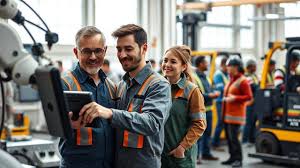
A simple service visit in Gurugram has sparked a wider conversation about the changing nature of jobs in today’s economy. A technician charging 900 rupees for less than an hour of work may sound surprising at first, but the incident has led many to rethink how different types of work are valued.
The discussion quickly gained traction online, with people debating whether such pricing reflects skill based earnings or an emerging trend in the labor market. While some called it expensive, others argued that expertise, efficiency, and availability justify the cost. The moment has become more than just a viral story, it now represents a shift in perception.
As conversations grow, one theme stands out clearly. Jobs that depend on physical skills and hands on experience are gaining renewed importance. Professions like plumbing, electrical work, and technical repair require real world problem solving that machines still struggle to replicate. Because of this, demand for such services is rising, and so is the willingness to pay for them.
At the same time, concerns are increasing around the impact of Artificial Intelligence on office based roles. Automation tools are now capable of handling repetitive tasks and even complex workflows, allowing companies to operate with fewer employees. This shift is already being felt across industries where traditional desk jobs are becoming less secure.


The contrast between these two trends has caught public attention. Work that was once seen as secondary is now being recognized for its value, while roles that were considered stable are facing uncertainty. Many believe this signals a long term transformation in how careers will evolve.
Social media reactions highlight this divide. Some users expressed concern over rising service costs, especially for everyday consumers. Others pointed out that practical skills may offer better long term stability than academic qualifications alone. The idea that real world expertise matters more than degrees is gaining traction.
What began as a local incident has now turned into a reflection of a broader economic shift. As technology continues to evolve, the balance between digital efficiency and human skill is being redefined, prompting people to rethink what truly makes a job secure and rewarding.