
Tablet or Laptop in 2026 Choosing the Right Device as Budget Deals Flood the Market
With affordable tablets under 15000 and capable laptops around 30000 buyers are weighing portability against performance as new AI powered features reshape everyday computing needs and preferences
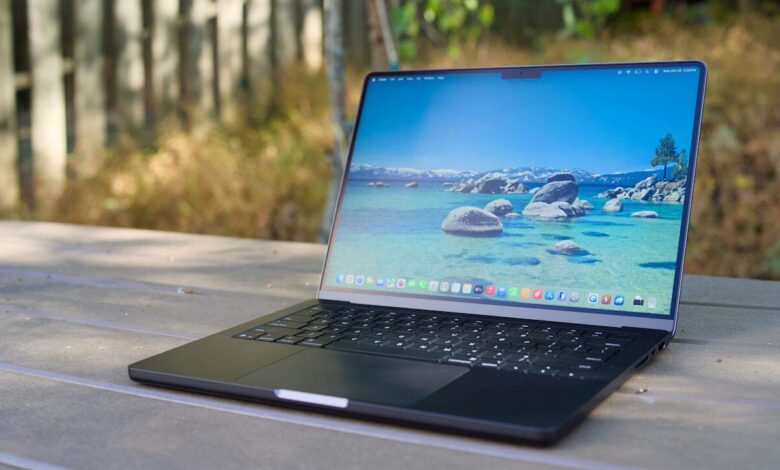
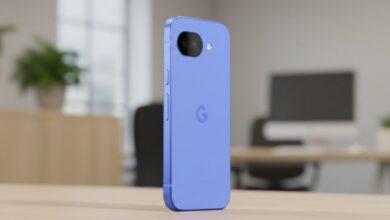
As online sales continue to push aggressive pricing, buyers are once again debating a familiar question which device offers better value a tablet or a laptop. With tablets now available under tight budgets and laptops becoming more powerful at mid range prices, the decision in 2026 is less about cost and more about how people actually work and create.
The rise of advanced processors and artificial intelligence features has significantly improved tablet capabilities. Devices like the Xiaomi Pad 8 are designed to deliver flagship level performance, combining powerful chipsets with high quality displays and large batteries. These tablets are increasingly being used for creative tasks such as digital illustration, note taking, and even light video editing. Their lightweight build and long battery life make them especially attractive for students and professionals who are constantly on the move.
At the same time, brands are also focusing on versatility. The Lenovo Idea Tab offers stylus support and 5G connectivity, making it a practical option for users who need both creativity and connectivity on the go. Similarly, the Samsung Galaxy Tab S10 Lite brings AI driven features and bundled accessories like the S Pen, aiming to bridge the gap between entertainment and productivity.
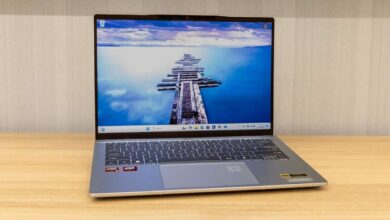
However, despite these improvements, laptops continue to dominate when it comes to heavy workloads. Tasks such as coding, handling large datasets, or running professional grade software still require the power and flexibility of a laptop operating system. Physical keyboards, advanced multitasking, and full desktop applications give laptops a clear edge in demanding environments.


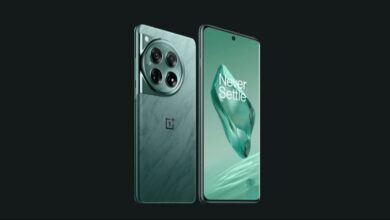
Even so, tablets are evolving into serious contenders. Devices like the OnePlus Pad Go 2 and Redmi Pad 2 are pushing the boundaries with larger displays, AI tools, and strong battery performance. These features make them suitable for media consumption, casual gaming, and everyday productivity tasks.
For users focused on entertainment and portability, options such as the Motorola Pad 60 Neo and OnePlus Pad Go offer balanced performance with stylish designs and reliable connectivity. These devices are ideal for reading, streaming, and handling routine digital tasks without the bulk of a traditional laptop.
Security is another area where tablets often have an advantage. Their app based ecosystem and controlled app stores reduce the risk of malware compared to laptops, which typically have more open file systems. That said, laptops can still be secure with proper antivirus tools and safe browsing habits.
Ultimately, the answer depends on user needs rather than specifications alone. Tablets can replace laptops for those whose work revolves around browsing, communication, content consumption, and light creative tasks. But for professionals dealing with intensive applications or complex workflows, laptops remain irreplaceable.
With cloud computing and hybrid setups gaining traction, the line between tablets and laptops is gradually blurring. Yet for now, both devices serve distinct purposes, and choosing the right one comes down to understanding what kind of performance and flexibility your daily routine demands.