

How Much Cooking Oil Is Safe Per Day Experts Warn About Limits and Healthier Choices
Health experts and ICMR guidelines highlight safe daily oil limits, dangers of reused oil, and why choosing the right type of cooking oil plays a key role in protecting heart and overall health
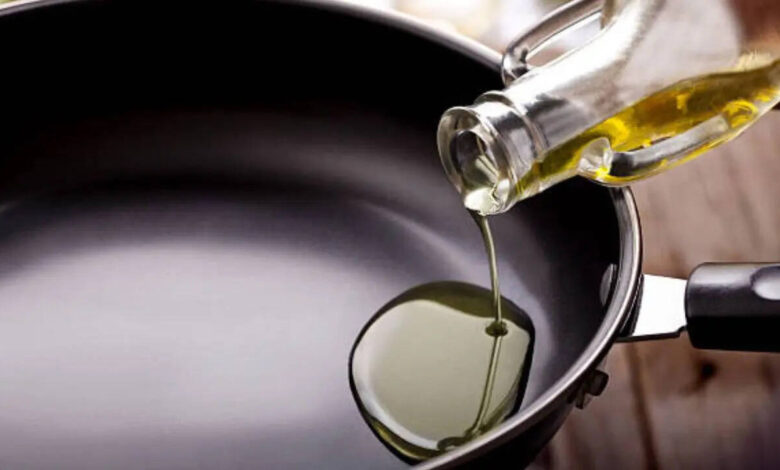
Cooking oil is an inseparable part of Indian kitchens, adding taste and aroma to almost every meal from breakfast to dinner. But behind this everyday ingredient lies a concern that is often ignored. Health experts warn that excessive oil consumption, driven by modern eating habits, is quietly increasing the risk of lifestyle diseases across households.
Recent data suggests that the average person in India consumes nearly 23.5 liters of oil per year, which is higher than recommended levels. While oil is necessary for absorbing essential vitamins like A, D, E and K, imbalance in usage can gradually lead to serious health complications such as obesity, high blood pressure and blocked arteries.
According to guidelines issued by the Indian Council of Medical Research, a healthy adult should limit daily oil intake to around 20 milliliters, roughly equivalent to four tablespoons. For a family of four, monthly consumption should ideally stay within about four liters to maintain better long term health outcomes.
One of the most concerning practices in many households is the repeated use of the same cooking oil after deep frying. Experts explain that reheating oil multiple times leads to the formation of harmful compounds that may increase the risk of liver damage and even cancer over time. If oil changes color, becomes sticky or develops an unusual smell, it is safer to discard it immediately rather than reuse it.


Another important aspect is the quality of oil being used. Cold pressed oils are considered more beneficial because they retain natural nutrients and antioxidants. Unlike refined oils, which lose much of their nutritional value due to high processing temperatures, traditional oils tend to preserve healthier fats that support the body.
Choosing the right type of oil can make a meaningful difference to heart health. Oils such as groundnut, sesame, coconut and mustard are often recommended in rotation rather than relying on a single variety. This rotation helps the body receive a balanced mix of fatty acids, which supports overall metabolic health.
Experts also caution against completely avoiding oil, as it still plays an essential role in energy production and nutrient absorption. The key lies in moderation and mindful selection rather than elimination. A balanced approach ensures that taste and health can coexist in everyday cooking.
Ultimately, maintaining proper oil usage habits is less about restriction and more about awareness. Small changes in kitchen routines, from measuring daily intake to avoiding reused oil, can significantly reduce long term health risks and help protect heart and liver function over time.