
Telangana Child Labour Survey Reveals 89000 Children Working Majority From SC ST Communities
Telangana child labour survey highlights that 89000 children are engaged in daily wage work with higher share from SC ST communities exposing deep social and economic inequalities across the state.
- Telangana child labour survey finds 89000 children working
- Child labour higher among SC ST communities in Telangana
- Survey reveals inequality in jobs and education access
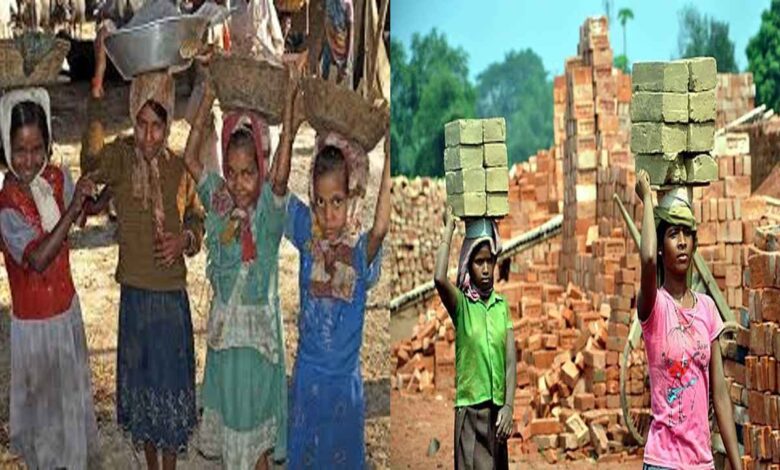
A recent socio economic survey in Telangana has revealed a concerning picture of child labour, with nearly 89000 children under the age of 18 engaged in daily wage work across the state. The findings highlight persistent inequalities affecting vulnerable communities.
According to the report, a significant portion of these children belong to Scheduled Caste and Scheduled Tribe communities. Among them, SC Madiga and ST Lambadi groups form a notable share, reflecting deeper socio economic challenges faced by these sections.
While the overall percentage of child labour appears to be around one percent, experts note that the absolute number presents a far more serious concern. In certain communities such as the ST Kolam group, the rate is significantly higher, indicating severe lack of access to education and welfare systems.
The survey, which covered millions of residents, provides a detailed insight into employment patterns across different social groups. It shows that many SC and ST communities are heavily dependent on daily wage work, often due to limited opportunities and long standing disadvantages.


In contrast, several upper caste groups have a much lower dependence on daily wage labour and a stronger presence in professional sectors. This gap reflects differences in access to education, economic resources and social networks.
The data also points out that many adults between the ages of 25 and 65 are engaged in daily wage work, suggesting that economic instability affects entire families, not just children. This environment often pushes children into labour at an early age.
The findings have sparked concern among policymakers and social experts, who stress the need for targeted interventions to reduce child labour and improve access to education and welfare schemes.
The survey serves as a reminder that while progress has been made in many areas, significant challenges remain in ensuring equal opportunities and protecting children from entering the workforce prematurely.