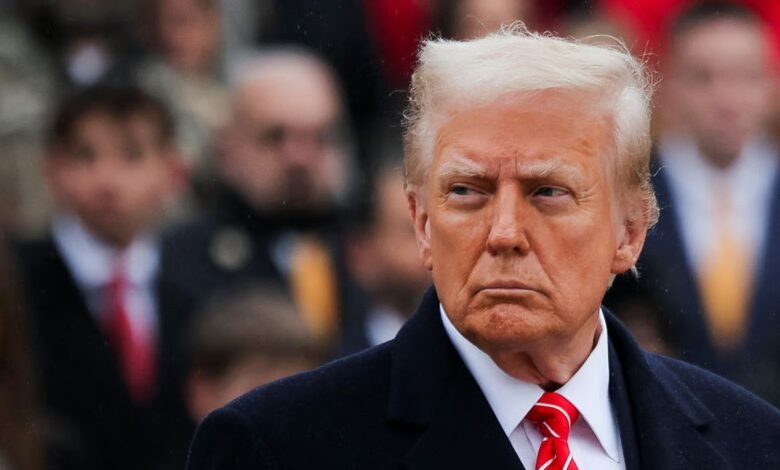
In a significant development amid rising geopolitical tensions, former US President Donald Trump has announced the extension of the ceasefire agreement between the United States and Iran.
The decision comes at a time when uncertainty loomed over the region, with the original ceasefire period nearing its end and no clear breakthrough in diplomatic talks. By extending the agreement, Trump signaled an attempt to prevent immediate escalation while allowing more time for negotiations.
According to his statement, the ceasefire will remain in place until both sides are able to present a unified proposal and move forward with meaningful discussions. However, he made it clear that strategic pressure will continue, particularly through the ongoing naval blockade in the Strait of Hormuz.
The move follows recent diplomatic efforts involving intermediaries, but talks between the two nations have so far failed to reach a consensus. Differences over key issues have delayed progress, increasing concerns about a potential return to conflict.
Tensions had intensified after disruptions in negotiations and continued military positioning in sensitive areas. With both sides maintaining a cautious stance, the region remained on edge over the possibility of renewed hostilities.
By extending the ceasefire, the aim appears to be to create space for further dialogue while keeping security measures intact. The decision is expected to temporarily ease global concerns, especially those related to energy supply routes and regional stability.
Observers believe the coming days will be crucial in determining whether diplomatic efforts can succeed or if tensions will escalate once again.