
Watermelon Safety Guide What Happens When You Eat Cut Fruit After Hours of Exposure
Understanding how long cut watermelon stays safe, what bacteria grow over time, and why improper storage or late consumption can turn this summer favorite into a hidden health risk
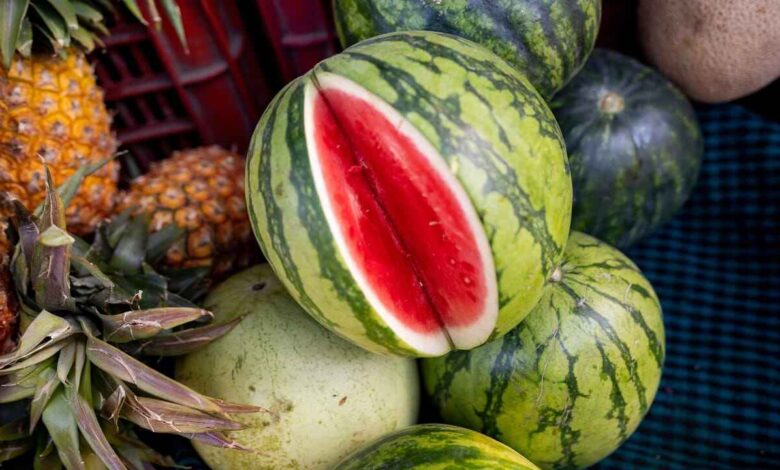
Watermelon is one of the most loved fruits during the summer season. It is refreshing, hydrating and often seen as the easiest way to beat the heat. But behind its sweet appeal, there is an important food safety concern that many people ignore. Once a watermelon is cut, its freshness does not last forever, and the clock starts ticking much faster than most realize.
In many local markets, sliced watermelon is often displayed openly for hours to attract buyers with its bright red color. This is where the real risk begins. Watermelon contains high water content and natural sugars, which create an ideal environment for bacteria once exposed to air. If kept at room temperature for more than a couple of hours, harmful bacteria like Salmonella and Listeria can begin to grow quickly, especially in hot weather conditions.
Food safety experts warn that cut watermelon should ideally be consumed within a short window. The first two hours are considered crucial when it is kept outside. Beyond that, the risk of contamination increases significantly. Even if the fruit looks fresh, it may no longer be safe to eat. This is why buying pre cut watermelon from roadside stalls or leaving it unrefrigerated for long periods can be risky.
Storage also plays an important role in keeping watermelon safe. Many people simply place leftover pieces in the refrigerator without covering them properly. This can lead to contamination from other stored foods and also affect the fruit’s taste. When stored correctly in an airtight container, cut watermelon may stay safe for up to three days, but its texture and sweetness gradually begin to decline.


There is also a health angle that should not be ignored. Watermelon has natural acids and a high glycemic index. While it is generally healthy, eating it at the wrong time or in spoiled condition can cause digestive discomfort. At night, when digestion slows down, it may lead to bloating, stomach irritation or even loose motions in sensitive individuals. People with kidney issues also need to be careful because of its potassium content.
The safest approach is simple. Always prefer whole watermelon over pre cut pieces. Wash the outer surface thoroughly before cutting at home. Store leftovers in a sealed container and consume them as soon as possible. Any sign of change in smell, texture or color should be treated as a warning.
Watermelon remains a perfect summer fruit when handled correctly. The problem is not the fruit itself but the way it is stored and consumed. A little awareness can ensure that this seasonal favorite stays both refreshing and safe instead of becoming a hidden health risk.